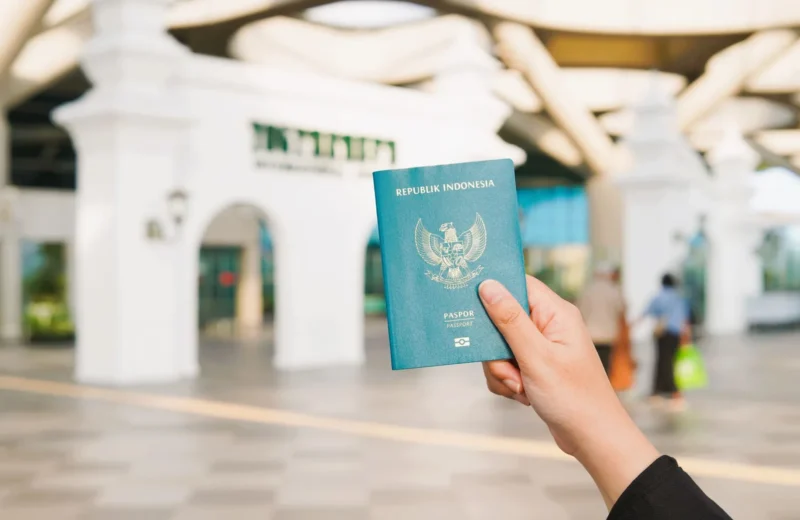
No. There is no canada dog import quarantine malaysia families need to book, because Canada does not hold healthy pet dogs in a quarantine station. Entry is decided at the border on paperwork alone. That sounds easy until you learn Canada lists Malaysia as high-risk for dog rabies, and a border officer can refuse a dog on the spot.
Introduction: the wrong question, asked for the right reason
Owners ask about quarantine because it is the thing they most fear. Canada removes that fear and replaces it with a different one: a single inspection, at one moment, with no second chance and no holding facility to fall back on if the documents are wrong.
Families moving from Kuala Lumpur to Toronto or Vancouver have usually heard the horror stories from other routes first. Weeks in a quarantine station. Blood tests that expire. So the opening question is nearly always the same: will my dog be locked up on landing?
The answer is no. But that moves the risk rather than removing it. On a route with quarantine, a document problem is a delay. On the Canadian route, it is a decision made by one officer, on the day.
We plan every Malaysia to Canada pet transport file around that single inspection, and My Pet Mover checks each requirement against the Canadian Food Inspection Agency’s published conditions first. The video below covers the shape of a pet move.
Canada dog import quarantine Malaysia owners expect, and what happens instead
Canada has no quarantine station for pet dogs. Your dog clears at the airport, in front of a Canada Border Services Agency officer, and either walks out with you or does not enter. The whole outcome rests on documents that were prepared weeks earlier in Malaysia.
The Canadian model is inspection-based rather than containment-based. There is no equivalent of the KLIA animal quarantine station waiting on the other end, and three practical consequences follow from that:
- Every error surfaces at once. There is no holding period in which a missing document can be couriered over.
- The dog’s condition is part of the check. A dog that looks unwell can be held however good the paperwork is.
- Undeclared pets are a serious problem. Failing to declare the animal is one of the listed grounds for refusal.
The Canada Border Services Agency states plainly that officers can refuse entry, confiscate or detain an animal that is undeclared, lacks the necessary permits or certificates, is suspected of being sick, or has been transported in a way that is not humane.
No quarantine means no buffer. The file has to be right before the crate is closed in Kuala Lumpur.
Not sure your dog’s paperwork would clear?
We read the file the way a border officer reads it, before you book anything. See how our Canada route works →
Why Malaysia sits on Canada’s high-risk list for dog rabies
Malaysia appears on the Canadian Food Inspection Agency’s published list of countries considered high-risk for rabies caused by canine-variant viruses. That classification does not block a family pet, but it does close the door completely on commercial dog movements.
The list is not a judgement about any individual animal. It is a country-level category, and Malaysia sits in the Asia and Middle East grouping alongside Indonesia, Thailand, Vietnam and the Philippines. Read it yourself on the CFIA’s countries at high-risk for dog rabies page, last revised in March 2025.
Why does the category exist at all? In its notice to industry, the CFIA records that dogs were imported into Canada carrying dog rabies in 2021, prompting the Public Health Agency of Canada and provincial authorities to ask for tighter controls. The same notice puts the global death toll from dog rabies at 59,000 people a year across more than 100 high-risk countries.
Malaysian owners meet this logic on several routes at once. It is the same instinct that drives the rabies titer test China asks for and the long serology wait behind Japan’s titer test. Canada reaches a different conclusion from the same starting point.
What Canada asks for, by your dog’s age
Canada’s import tool sorts dogs into three age bands before anything else: under three months, three to eight months, and eight months or older. The band your dog falls into on arrival day decides which questions the officer asks.
The CFIA’s own requirement tool asks purpose first, then age, then country. Reading the branches in that order is the fastest way to see what your file must contain.
Canada’s Entry Path by Dog Age Band
| Age on arrival | Rabies certificate | Owner must travel with dog | Quarantine on arrival |
|---|---|---|---|
| Under 3 months | Not required at this age | Accompaniment is asked first | None |
| 3 to 8 months | Required | Accompaniment changes the branch | None |
| 8 months or older | Required | Country asked directly | None |
| Certified assistance dog | Exempt when personal | Handler must be the traveller | None |
Source: compiled by My Pet Mover from CFIA pet import requirements, 2026.
Two branches surprise people. A puppy under three months is not asked for a rabies certificate, because it is too young to be vaccinated. And a certified assistance dog in the personal category is exempted from the rabies vaccination requirement, provided it was certified by an organisation accredited by the International Guide Dog Federation or Assistance Dogs International.
The Canada dog rabies certificate, line by line
For a family pet from Malaysia, the canada dog rabies certificate is the document the whole entry rests on. It must be in English or French, signed by a licensed veterinarian, and it must identify the individual animal clearly enough for an officer to match paper to dog.
The certificate is not a form Canada supplies. Your Malaysian veterinarian issues it, so the burden of getting the content right sits on the owner and the agent rather than on a government template. What an officer is checking for:
- Language. English or French, or a certified translation. Another language alone is a problem at the counter.
- A named, licensed veterinarian. Signed by the vet who gave the vaccine, not a clinic stamp alone.
- Identification that matches the animal. Enough detail that the paper is obviously the dog in the crate.
- Vaccination and expiry dates. Still in force on arrival day, not on the day of booking.
- The vaccine product used. So the officer can confirm it is a recognised rabies vaccine.
The most common failure is timing rather than content. A certificate that was valid when the flight was booked can expire during a postponed move, and nothing in the Canadian process flags it for you.
How country classification changes the rules
Canada sorts origin countries into three buckets: recognised rabies free, high-risk for dog rabies, and everything in between. Malaysia is in the high-risk bucket, and the practical effect depends entirely on whether your dog is personal or commercial.
Only nine countries hold Canada’s rabies-free recognition. The CFIA’s rabies-free list names Australia, Fiji, Finland, Iceland, Ireland, Japan, New Zealand, Sweden and the United Kingdom, and notes the list is under review.
Country Class by Dog Category
| Country class | Personal pet | Certified assistance dog | Commercial dog |
|---|---|---|---|
| Recognised rabies free (9 countries) | Own requirement branch | Vaccination exempt | Permitted, permit route |
| Other countries | Rabies certificate route | Vaccination exempt | Permitted, permit route |
| High-risk for dog rabies (Malaysia) | Rabies certificate route | Vaccination exempt | No permits issued |
Source: compiled by My Pet Mover from CFIA country lists and notices, 2026.
Read the bottom-right cell carefully, because it is the only outright prohibition on the whole grid. Everything else is a paperwork route.
Personal or commercial: the word that decides entry
A personal dog lives with its owner and will not be handed to anyone else on arrival. Anything else is commercial, and commercial dogs from Malaysia cannot enter Canada at all. Getting this classification right matters more than any other single decision.
CBSA’s definition is narrow and unsentimental. A personal dog is a pet that lives, or will live, with the owner and will not be transferred to another person on arrival. The owner must be the importer and must hold documentation proving ownership. Everything outside that definition is commercial: dogs intended for resale, adoption, fostering, breeding, shows or exhibition, and research, plus dogs in a special training status.
Since 28 September 2022, the CFIA has stopped issuing import permits for commercial dogs from high-risk countries, and its notice to industry confirms that all such shipments are prohibited regardless of the dog’s age. Where this catches Malaysian families out:
- Rescue dogs going to a Canadian home. Placed with anyone other than the exporting owner, it is a commercial import and the route is closed.
- A dog sent ahead to relatives. A family member who is not the owner-importer falls outside the personal definition.
- Breeding or show animals. Named explicitly in the commercial category, with no age exception.
Canada pet import requirements seen from the Malaysian side
The canada pet import requirements are light, but the Malaysian export requirements are not. Your dog still needs a Department of Veterinary Services export health certificate, an airline booking that accepts live animals, and a crate that meets airline live-animal standards.
Owners who read only the Canadian pages get a false sense of ease. Canada is the simpler half of this route; the Malaysian half runs on its own schedule and its own offices.
The export side of a pet export from Malaysia involves veterinary examination, certification and airline acceptance, each with its own lead time. None of it is triggered by Canada. It happens because the animal is leaving Malaysia, and it applies just as it does on the UK export health certificate route.
Airlines add their own layer. Live-animal acceptance depends on aircraft type, route, season and breed, and a long westbound sector out of KLIA usually means a transit point where the animal is handled again.
Want the Malaysian half handled for you?
We hold the export certification, airline booking and crate specification in one file. See what a pet relocation costs →
How long does a Malaysia to Canada dog move actually take?
Without a quarantine period or a serology wait, the Canadian route is one of the shortest available from Malaysia. The critical path is set by the export certification window and airline acceptance, not by any Canadian waiting period.
With no Canada dog import quarantine Malaysia families have to wait out, the calendar is set entirely at the Malaysian end. The chart below shows the working days we typically allow per step on a Canada-bound file, assuming a dog that is already microchipped and currently vaccinated.
Working Days Allowed per Preparation Step
| Step | Relative length | Days | Can it run in parallel? |
|---|---|---|---|
| Airline live-animal booking | 20 | Yes, start first | |
| Crate sizing and acclimatisation | 14 | Yes | |
| Export health certification | 7 | No, fixed window | |
| Rabies certificate review | 3 | Yes | |
| Border clearance on arrival | 1 | Not applicable |
Source: My Pet Mover route planning allowances, Malaysia to Canada, 2026.
Compare that with the routes where the destination sets the clock. Owners heading to Japan or Australia lose months to serology and pre-export residency; Canada-bound owners lose weeks to airline capacity instead.
What a border officer can do if the file fails
A CBSA officer has three powers at the border: refuse entry, confiscate, or detain. Each is triggered by a different kind of failure, and none of them results in a comfortable quarantine stay while you fix the problem.
The four listed triggers are worth knowing by name, because three are within an owner’s control.
- The animal is undeclared. Family pets are named specifically in CBSA’s own wording. Declare the dog.
- Permits or certificates are missing. Here that usually means the rabies certificate or ownership documentation.
- The animal is suspected of being sick. The one trigger paperwork cannot control, which is why fitness to fly matters.
- Transport was not humane. An undersized crate, or an animal not kept safe from harm, is a listed ground.
There is no equivalent of the holding station Malaysian owners meet in Hong Kong’s quarantine rules. Refusal on the Canadian route means the dog does not enter, and the consequences fall on the owner and the airline.
How Canada’s dog rules tightened between 2021 and 2026
Canada’s approach to dog imports changed sharply after 2021. The direction of travel has been consistently tighter, and the CFIA has said openly that it will explore further strengthening of the rules for personal pet dogs from high-risk countries.
That last point matters more than anything else in this article. The current ease is a snapshot, not a promise.
Canada Dog Import Policy, 2021 to 2026
| Period | What changed | Effect on Malaysian owners |
|---|---|---|
| 2021 | Dogs carrying dog rabies were imported into Canada | None yet |
| June 2022 | CFIA announces the commercial prohibition | Notice period only |
| Sept 2022 | Commercial dogs from high-risk countries prohibited | Rescue and resale routes close |
| Mar 2025 | High-risk country list revised again | Malaysia remains listed |
| 2026 onward* | CFIA has stated it will explore stronger personal-pet rules | Plan for change, not against it |
* Direction stated by CFIA, not a scheduled rule. Source: CFIA notices and country lists, 2026.
Malaysian owners have already watched a destination change its mind mid-plan, as anyone who followed Taiwan’s ban on pets from Malaysia will remember.
CFIA dog import Canada: what owners most often get wrong
The recurring mistakes on a cfia dog import canada file are not exotic. They are an expired vaccination, a certificate in the wrong language, an assumed category, and an owner who read only the Canadian half of the requirements.
Four patterns account for most of the trouble we see on this route:
- Reading a US guide instead of a Canadian one. The two run different systems, and the CDC rabies rules for dogs flying to the US do not transfer across the border.
- Assuming a land crossing is simpler. Arriving overland from the US adds a second regulator, not fewer rules.
- Treating ownership as obvious. Proof of ownership is easy to arrange in advance and impossible to produce on the spot.
- Letting a certificate age out. Every schedule change should trigger a fresh check of the expiry against the new arrival date.
For a current, situation-specific answer, the CFIA’s Automated Import Reference System is the authoritative check, and CFIA’s travelling with a pet guidance confirms that meeting the requirements remains the owner’s responsibility.
Conclusion: no quarantine, no margin
Canada does not quarantine pet dogs from Malaysia. It replaces the quarantine period with a single border decision, which makes the route fast for a prepared owner and unforgiving for an unprepared one.
If you take one thing from this article, take the category question. Personal or commercial decides whether the route exists at all, and it is settled long before any certificate is signed. After that the work is small but exact: a rabies certificate in the right language with the right dates, ownership documentation, a fit and honestly declared animal, and a crate that meets the airline’s live-animal standard.
The Canada dog import quarantine Malaysia owners brace for is not part of the process. The border decision is, and it arrives without warning at the end of a long flight. Our wider international pet transport routes page sets out how the corridors differ, and the Causeway drive to Singapore shows the opposite extreme for a short-haul move.
Frequently Asked Questions
1. Does Canada quarantine dogs arriving from Malaysia?
No. Canada does not operate a quarantine facility for pet dogs and imposes no quarantine period on healthy animals from Malaysia. Entry is decided by inspection at the border, where a Canada Border Services Agency officer checks the animal and its documents together. A dog that fails is refused, confiscated or detained rather than quarantined.
2. Is Malaysia considered high-risk for rabies by Canada?
Yes. Malaysia appears on the Canadian Food Inspection Agency’s published list of countries considered high-risk for rabies caused by canine-variant viruses. The classification does not prevent a family bringing an accompanied personal pet, but it does mean commercial dogs from Malaysia cannot be imported into Canada at all.
3. Can I send a rescue dog from Malaysia to a new owner in Canada?
No. A dog intended for adoption, fostering, resale or transfer to anyone other than the importing owner is a commercial import. Since September 2022 the CFIA has not issued import permits for commercial dogs from high-risk countries, and border officers deny entry to those shipments whatever the dog’s age.
4. Does my dog need a rabies titer test for Canada?
Not for a personal pet dog on the standard rabies certificate route. Canada’s requirement centres on a valid rabies vaccination certificate rather than a serology result, which is why the route avoids the long waits that titer-based destinations impose. Confirm your own case against CFIA’s current requirements first.
5. How early should I start a Malaysia to Canada pet move?
Allow at least six to eight weeks. The Canadian entry rule adds almost no waiting time, but airline live-animal capacity, crate acclimatisation and Malaysian export certification each need their own lead time. Booking the flight space first usually gives the smoothest schedule, because that step is the most constrained.
Moving your dog from Malaysia to Canada?
Send us your dog’s microchip number, vaccination dates and target arrival month. We will confirm the entry category, check the certificate against Canadian conditions, and send a written quote with a timeline you can book flights against.