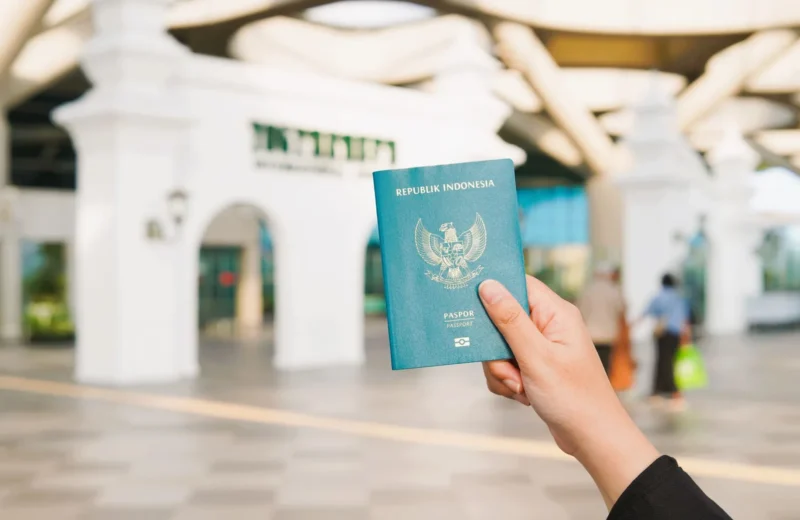
Introduction: Canada has a document most countries do not
Canada is one of a short list of countries with a pre-negotiated Malaysian export certificate on file with its own government. That removes the most common paperwork headache on a long-haul move, but does nothing for the flight, which is where a Canadian quote gets expensive.
Owners leaving Canada usually brace for a documents fight. On this route they get an easier ride.
The Canadian Food Inspection Agency keeps a list of pet export certificates by country, and Malaysia is on it. Form HA2849 is written for Malaysia specifically, so your vet completes a document CFIA already knows how to endorse. Most non-scheduled origins have no such form.
What Canada does not have is a plane. Nothing flies non-stop between any Canadian city and Kuala Lumpur, so every dog transits somewhere. This guide prices both halves as we quote them at My Pet Mover under our Canada to Malaysia pet transport service.
What does it cost to ship a dog from Canada to Malaysia?
Budget RM 9,800 to RM 34,000 all-in. A cat or small dog lands between RM 9,800 and RM 15,500, a medium dog RM 13,000 to RM 20,000, and a large dog in a Series 500 crate RM 17,500 to RM 27,000. Crate volume sets the number.
Read a Canadian quote as two halves: freight, crate and CFIA certification in Canada; the MAQIS permit, cargo clearance and the quarantine stay at Sepang here. On short Asian sectors the Malaysian half often carries more than half the bill. Canada inverts that. Our view of what it costs to fly a dog overseas sets these lines against shorter routes, and our relocation pricing shows where our fee sits inside them.
Canada to Malaysia Dog Relocation Cost by Size
| Dog size | Typical crate | Canada side | Malaysia side | All-in band | Malaysia share |
|---|---|---|---|---|---|
| Cat or small dog, under 10 kg | Series 200–300 | RM 6,000–9,800 | RM 3,800–5,700 | RM 9,800–15,500 | About 38% |
| Medium dog, 10–25 kg | Series 400 | RM 8,800–14,000 | RM 4,200–6,200 | RM 13,000–20,000 | About 32% |
| Large dog, 25–40 kg | Series 500 | RM 13,000–20,500 | RM 4,500–6,500 | RM 17,500–27,000 | About 26% |
| Giant dog, over 40 kg | Series 700 | RM 17,500–27,000 | RM 5,000–7,000 | RM 22,500–34,000 | About 22% |
Source: My Pet Mover casework, Canada inbound files, 2024–2026. Bands are indicative.
Watch the Malaysia share fall as the dog grows. On a giant breed, roughly four ringgit in five is spent before the plane lands.
Want a number instead of a band?
Send us your Canadian city, your dog’s breed and its standing height and we will price the move. See how our pet import service works →
Is Canada a scheduled country for Malaysia?
No. Canada does not appear on the Department of Veterinary Services scheduled list, updated by a notice dated 11 December 2025. A dog from Canada counts as coming from a non-scheduled country, which makes quarantine on arrival compulsory.
This is the fork in the road on any Canadian quote, and our explainer on scheduled versus non-scheduled countries covers how the lists work. The DVS notice of 11 December 2025 names the United Kingdom, Eire, Northern Ireland, New Zealand, Japan, Sweden, Brunei, Singapore and a group of European states. Canada appears on neither line.
Non-scheduled status requires less than most owners expect:
- A MAQIS import permit, applied for before departure, in practice through a registered agent.
- An ISO-compliant microchip, standards 11784 and 11785.
- A government veterinary health certificate, rabies vaccination before export, and an examination within seven days of shipment.
- Compulsory quarantine on arrival, which the regulation sets at not less than seven days.
Note the company Canada keeps. New Zealand sits on the scheduled list, which is why bringing a dog from New Zealand to Malaysia can skip quarantine entirely. Canada, with comparable veterinary standards, cannot.
Form HA2849 and the six-month clause that catches new arrivals
Canada has a pre-negotiated Malaysian export certificate, form HA2849, so your vet is not improvising. The clause that catches people requires the dog not to have entered Canada in the six months before certification. Recent arrivals must wait.
CFIA publishes an index of pet export certificates, and Malaysia has its own entry. Without one, owners fall back on a generic international health certificate and hope the destination accepts it. Canadians skip that gamble.
Four clauses on form HA2849 decide whether the file moves:
- Rabies vaccination within twelve months of export, using an approved vaccine, with name, manufacturer, batch number and expiry recorded.
- No rabies reported in the country or part of the country the dog came from, in the six months before export.
- Not imported into Canada in the six months preceding the certificate. This is the trap, and it has ended more Canadian files than any other clause.
- Examined within seven days of shipment, and showing no clinical signs on the day itself.
The second clause hides a quiet advantage. The Malaysian regulation asks only that no rabies has been reported “in that country”, while HA2849 says “in that country or part of the country”. Canada carries rabies in wildlife, so that wording does real work. Our note on CFIA endorsement before your dog leaves Canada covers the signing sequence, and the commercial versus personal import distinction explains why your paperwork category is fixed early. Set it beside a MAQIS permit application from a scheduled origin like Japan and the difference is quarantine, not documents.
No direct flight: what the transit hub does to your quote
Nothing flies non-stop from Canada to Kuala Lumpur, so every dog changes aircraft at least once. The hub sets the freight rate, the layover length and the odds of an offload. It is the biggest variable in the quote.
A dog leaving Vancouver or Toronto passes through an Asian or Gulf hub, and each handles live animals differently.
Canada to Kuala Lumpur Transit Hubs, Medium Dog in a Series 400
| Transit hub | Usual Canadian origin | Freight | Layover band | What it means for the crate |
|---|---|---|---|---|
| Hong Kong | Vancouver, Toronto | RM 9,400 | 4–9 hours | Strong animal handling, short second sector |
| Taipei | Vancouver, Calgary | RM 9,100 | 3–8 hours | Usually cheapest, tighter connection windows |
| Tokyo | Vancouver, Toronto | RM 10,200 | 5–12 hours | Reliable, but summer heat embargoes happen |
| Doha or Dubai | Toronto, Montreal | RM 11,600 | 3–10 hours | Purpose-built animal centres, dearest rate |
Source: My Pet Mover casework, Canadian departures, 2024–2026. Converted at prevailing rates.
The spread between cheapest and dearest hub is roughly RM 2,500 on one medium dog. But a ninety-minute connection window is a false economy on a crate that cannot rebook itself. Our guide to routing a pet from Canada to Kuala Lumpur works through the sequencing, and pet flights with layovers covers what each hub asks for in transit paperwork.
Seven days of quarantine, or fourteen?
The published DVS regulation sets a compulsory period of not less than seven days, extendable to six months on risk assessment. A revised protocol reported from late 2024 is widely quoted as fourteen. Ask MAQIS to confirm your number in writing before booking a flight date.
Sources genuinely conflict here, and we would rather show that than pick a side:
- Seven days comes from the DVS non-scheduled regulation, which sets a compulsory period of not less than seven days and allows extension up to six months on risk assessment.
- Fourteen days traces to a revised health certificate protocol reported from late December 2024, quoted widely by practitioners but not reflected in the regulation text above.
- Longer stays apply case by case, decided by the quarantine officer rather than your agent or airline.
Our note on whether Malaysian pet quarantine runs seven days or fourteen tracks the disagreement. Treat any quote that names a day count without naming its source as unfinished.
Board is cheap, a few ringgit per animal per day. An extra week adds agent attendance, feeding runs, veterinary checks and a second delivery window. Our breakdown of what pet quarantine in Malaysia costs separates the statutory rate from the servicing.
Need the day count settled before you book?
We put that question to MAQIS in writing on every Canadian file. See how KLIA quarantine works →
What a slipped connection actually costs
A missed onward sector is not just a rebooking fee. The Malaysian examination window is seven days wide, so a delay long enough to expire it sends the file back to a Canadian vet and a second CFIA endorsement.
Because Canada is always a two-sector journey, this risk is structural rather than unlucky. The cost depends on how far the delay pushes past the certificate window.
Cost of a Delay by Scenario, Medium Dog From Toronto
| Delay scenario | Relative added cost | Added cost | What drives it |
|---|---|---|---|
| Same-day rebook at hub | RM 700 | Extra handling and one feeding cycle | |
| Overnight hold at hub | RM 1,900 | Boarding, second handling fee, agent time | |
| Offload before departure | RM 3,400 | Return home, rebooking, re-timed vet visit | |
| Certificate window expires | RM 5,900 | Re-certification and a second CFIA endorsement |
Source: My Pet Mover casework, delayed Canadian files, 2024–2026. Bars show relative cost, not ringgit.
The jump from an overnight hold to an expired certificate is roughly threefold, driven by a signature schedule rather than an airline. CFIA endorsement needs an appointment, and appointments are not same-day.
Two habits keep files out of the bottom row: book at least four hours of connection margin, and time the seven-day examination as late as the vet’s diary allows. Our guide to what Canada records on a rabies vaccination certificate covers the dates that must line up, and flight day at KLIA pet cargo shows the other end.
Breed rules printed on the Canadian certificate itself
Malaysia bans seven dog breeds outright and restricts six more. Both lists are printed on the Canadian export certificate, so your vet sees them at signing. Restricted breeds need written MAQIS approval before the permit application, including a home inspection.
Most origin countries leave owners to find the Malaysian breed lists. Canada prints them below the signature block.
- Banned outright. Akita, American Bulldog, Dogo Argentino, Fila Brasileiro, Japanese Tosa, Neapolitan Mastiff and Pit Bull Terrier types, including the Staffordshire Bull Terrier.
- Restricted with approval. Bull Mastiff, Bull Terrier, Doberman, German Shepherd and its Belgian and East European relatives, Perro de Presa Canario, and Rottweiler.
- Approval conditions. At least three months old, a pedigree certificate naming the issuing organisation, the microchip code recorded on it, a named importer, and a compound the Director inspects.
The restricted list bites hardest in Canada, where German Shepherds and Rottweilers are common household dogs. Neither is banned in Malaysia, but both need written approval from the Director General of MAQIS before anyone applies for a permit, and that takes weeks. Our page on dog breeds banned or restricted in Malaysia sets out both lists in full, and the approval step belongs at the very front of a Canada to Malaysia relocation timeline.
Unsure whether your dog clears the Malaysian list?
Send us the breed and pedigree paperwork and we will check it before you spend anything. Read why permits go through a MAQIS agent →
Eleven weeks from Toronto: when the money leaves
A clean Canadian move runs about eleven weeks from first call to home delivery. Spending is heavily back-loaded: nothing large leaves your account until the crate and freight are committed, roughly three weeks before the flight.
Canada needs longer than an Asian origin for two reasons: the CFIA endorsement appointment, and MAQIS approval for restricted breeds. Both are queues you cannot pay to jump.
Eleven-Week Canada Move Countdown
| Week | What happens | Side | Spend |
|---|---|---|---|
| Weeks 1–2 | Breed check, records reviewed, residency clause confirmed | Both | Nil |
| Weeks 3–4 | Restricted-breed approval if needed, quarantine slot booked | Malaysia | RM 300 |
| Weeks 5–6 | MAQIS import permit applied for against the slot | Malaysia | RM 600 |
| Weeks 7–8 | Crate fitted, crate training starts, freight and hub booked | Canada | RM 1,400 |
| Week 9 | CFIA appointment booked, form HA2849 prepared | Canada | RM 500 |
| Week 10 | Seven-day examination, endorsement, departure | Canada | RM 9,400 |
| Week 11 | KLIA clearance, quarantine, release and home delivery | Malaysia | RM 3,400 |
Source: My Pet Mover casework, medium dog from Toronto, 2024–2026. Indicative only.
One week carries most of the money. Everything before week ten is under RM 3,000, so an early stall costs schedule rather than cash.
Watch the order of operations. The microchip goes in before the rabies dose, the dose sits inside the twelve-month window, and the examination happens within seven days of shipment. Backwards restarts the file, one of the pet import mistakes that delay entry we see most. Our note on booking a KLAQS quarantine slot explains why the permit waits on the booking, and measuring a dog for an IATA crate is worth reading before week seven.
Conclusion: read the routing, not the headline figure
Crate series, transit hub and connection margin decide a Canadian quote. The Malaysian half moves by hundreds of ringgit whatever you do; the Canadian half moves by thousands, and all three variables sit there.
Owners compare Canadian quotes on the total. The useful comparison is narrower: crate series, hub, and connection margin.
Ask for all three in writing. A quote that will not name its hub can reroute later, and rerouting is where a long-haul file loses money. Bringing a dog from the UK to Malaysia follows the same pattern, while a pet from Taiwan shows the reverse case, where the arrival costs more than the flight. Bringing a dog from New Zealand shows the same distance without the quarantine line.
Frequently Asked Questions
How much does it cost to ship a dog from Canada to Malaysia?
Most moves land between RM 9,800 and RM 34,000 all-in. A cat or small dog costs RM 9,800 to RM 15,500, a medium dog RM 13,000 to RM 20,000, and a large dog RM 17,500 to RM 27,000. Crate volume and the transit hub drive the difference.
Does a dog from Canada have to be quarantined in Malaysia?
Yes. Canada is not on Malaysia’s scheduled country list, so quarantine on arrival is compulsory. The published DVS regulation states not less than seven days, while a reported 2024 protocol revision sets fourteen. Confirm your number with MAQIS in writing before booking a flight.
Which export certificate does Canada use for Malaysia?
Form HA2849, a Malaysia-specific certificate published by the Canadian Food Inspection Agency. Your licensed vet completes it and an official CFIA veterinarian endorses it before the dog leaves Canada. Endorsement cannot happen after departure, so book the appointment early.
Are there direct flights for pets from Canada to Kuala Lumpur?
No. Every Canadian route to KLIA changes aircraft at least once, typically through Hong Kong, Taipei, Tokyo, Doha or Dubai. Choose the hub on connection length, not freight price: a missed onward sector can expire the seven-day examination window.
How long does a Canada to Malaysia dog move take?
Allow about eleven weeks. The early weeks go on the breed check, any restricted-breed approval, the quarantine slot and the import permit, all of which cost little. The crate, freight and Malaysian arrival carry most of the spending in the final fortnight.
Bringing your dog home from Canada?
Tell us your Canadian city, your dog’s breed and your target date. We will put the quarantine question to MAQIS in writing and come back with a routing plan and an itemised quote.