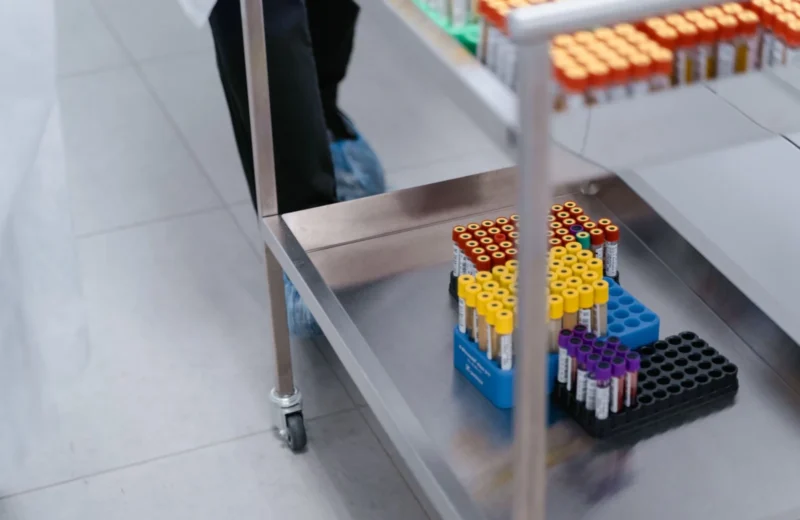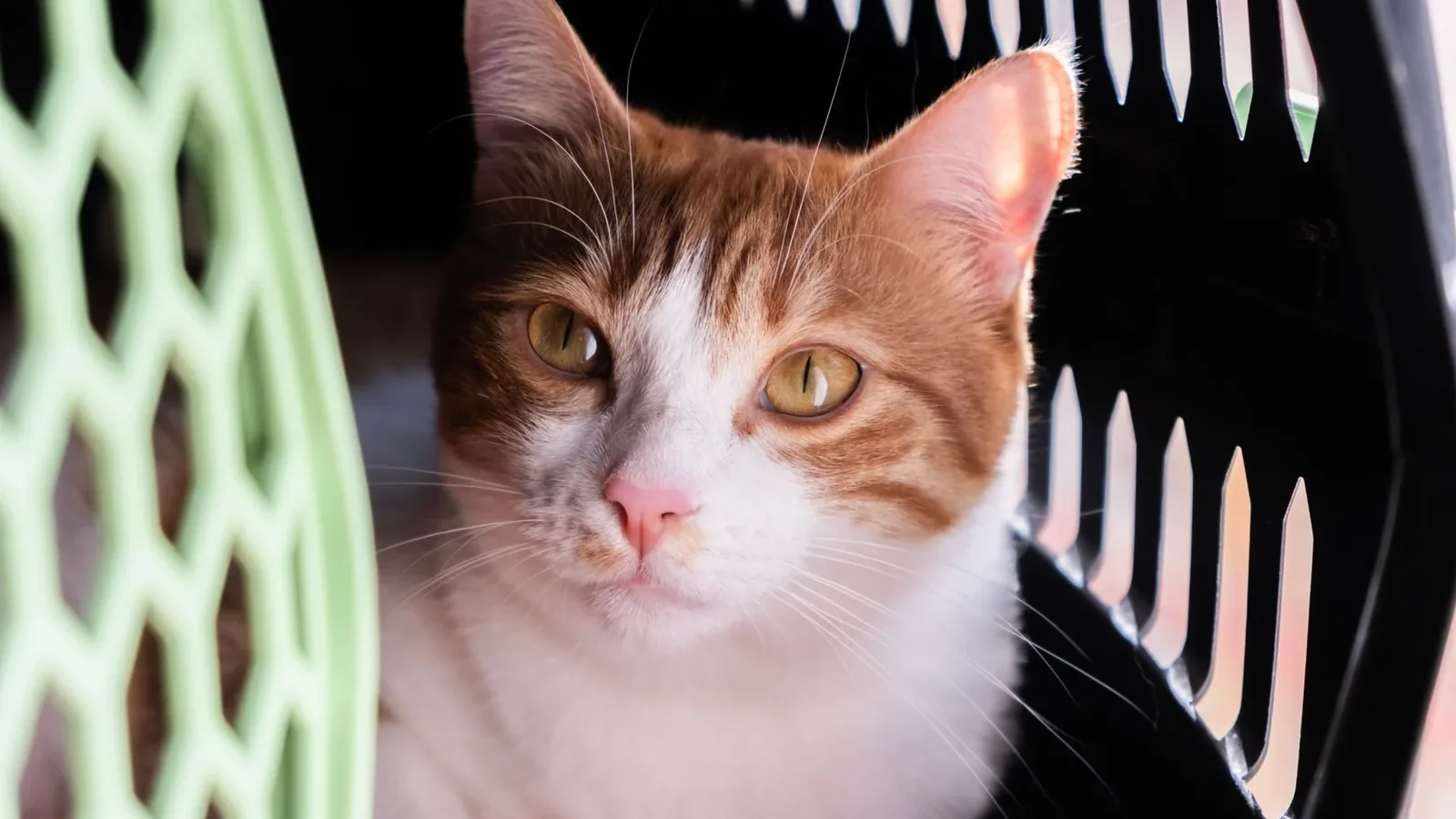
The KLIA pet cargo process does not happen at the passenger terminal. Your pet is tendered at the cargo complex in Sepang, where the crate is checked against IATA rules, the paperwork is verified line by line, and the animal is held in a dedicated facility until loading. Flight day is short, procedural, and almost entirely decided by work you finished weeks earlier.
Introduction: the one day you cannot rehearse
Owners spend months on permits and blood tests, then discover they have no picture of the last few hours at all. The KLIA pet cargo process is a defined sequence with a fixed order, and knowing that order removes most of what people find frightening about the handover.
By the time flight day arrives, most owners we work with at My Pet Mover have been preparing for six months or longer. They know the vaccination dates by heart. What they usually cannot picture is the last morning.
The gap is understandable. Nothing about a normal airport visit prepares you for it. You do not queue at a check-in row, you never walk your dog through departures, and you do not see the aircraft. It all happens at a freight facility several kilometres from the terminal you have flown out of before.
What follows is that morning in order: where you drive, who checks what, what it costs on the ground, and what happens after the counter takes the crate. First, though, it helps to see how cargo staff are trained to receive a live animal.
The KLIA pet cargo process, from booking to boarding
A pet flying in the hold moves as freight, not as luggage. That single fact sets everything else: a separate booking, a separate air waybill, a separate building, and an acceptance check the carrier is obliged to complete before the crate goes anywhere near an aircraft.
An animal in the hold is a consignment. IATA does not allow live animals to share an air waybill with anything else, and the waybill must carry a 24-hour emergency contact. That is why your pet’s paperwork looks nothing like a boarding pass.
The sequence itself is short:
- Booking is confirmed with the carrier. Live animals are accepted route by route, not sold off a shelf.
- You arrive at the cargo complex. Not the terminal, and usually before passengers on the same flight have left home.
- Acceptance is completed. Crate, documents, labelling and the animal’s condition are checked against a formal checklist.
- The animal is held. A dedicated facility keeps it until the loading team collects the crate.
- The captain is notified. Once loaded, the crew receives a NOTOC listing the live cargo on board.
Still deciding whether the hold is right at all? Our comparison of cabin, cargo and excess baggage for pet travel covers that choice first. Everything below assumes cargo, because that is how nearly every animal leaves Malaysia.
KLIA cargo complex pet drop off: where you actually go
The KLIA cargo complex pet drop off point sits in the freight area at Sepang, separate from both KLIA Main and KLIA2. MASkargo operates a dedicated Animal Hotel there, open around the clock, with veterinary cover on site.
The building matters more than owners expect. At a general freight counter a pet would sit on a warehouse floor. KLIA instead has a purpose-built holding facility, and MASkargo describes its live-animal product in terms of trained acceptance staff, quiet holding zones and minimal dwell time rather than a per-kilo rate.
Three practical points follow:
- Allow for the drive. The cargo village is a separate road entrance from the passenger terminals, and signage assumes you already know where you are going.
- Bring the crate assembled. Acceptance checks the container as presented. Building it in the car park is not a plan.
- Do not confuse it with quarantine. The government’s animal quarantine station at KLIA is a separate facility with separate operating hours, covered in our guide to pet quarantine at KLIA.
For an export, you are only ever dealing with the cargo side. Quarantine belongs to arriving animals.
Not sure who is meeting you at the cargo complex?
On our handled moves an agent meets the owner at the drop-off point and completes the tender, so nobody is reading signage under pressure. See how a full pet export from Malaysia is run →
The flight-day timeline, hour by hour
Live animals carry earlier cut-offs than general cargo, and the exact window is confirmed at booking rather than published. What does not change is the order of events, which runs the same way on every export we handle out of KLIA.
The table below maps a typical morning against the scheduled time of departure. Treat the hours as a shape rather than a promise, because the carrier sets the real window.
A Typical Export Morning At The KLIA Cargo Complex
| Time before departure | What happens | Who leads it |
|---|---|---|
| Day before | Final document pack assembled and checked against the destination’s requirements | Agent |
| 6–8 hours | Last feed and water at home, short walk, crate loaded into the vehicle | Owner |
| 4–6 hours | Arrival at the cargo complex; crate weighed and measured | Owner and agent |
| 3–5 hours | Acceptance checklist completed; documents verified; air waybill issued | Carrier |
| 2–4 hours | Customs and quarantine clearance on the export side | Agent and authorities |
| 1–3 hours | Animal held in the dedicated facility; comfort and water checks | Carrier |
| Under 1 hour | Crate moved airside, loaded, and the captain notified by NOTOC | Carrier |
Illustrative timeline compiled by My Pet Mover, 2026, from handled exports out of KLIA. Windows vary by carrier and route; MASkargo states that live-animal check-in cut-offs are earlier than general cargo and confirmed at booking.
Read the right-hand column rather than the left. From the moment the checklist starts, almost nothing on the list belongs to you. That is the real character of flight day, and it is why what it costs to fly a dog overseas is decided long before this morning begins.
Pet check in KLIA cargo: what happens at the acceptance desk
Pet check in KLIA cargo is a formal acceptance, not a courtesy glance. IATA requires the carrier to work through a Live Animal Acceptance Checklist covering the container, the labelling, the paperwork and the animal’s visible condition, and every item must clear before the shipment is taken.
The checklist is published, which means nothing about it should be a surprise. IATA sets out the acceptance criteria plainly: carriers should only accept animals that appear to be in good condition, with documentation in order, containers conforming to design standards, and marking and labelling meeting the guidelines.
In practice the desk works through four groups:
- The container. Weighed, measured and inspected for ventilation, secure fastenings and absorbent bedding. Sizing follows the IATA measuring formula used to size a dog’s crate, not the label on the box.
- The labelling. At least one compliant Live Animals label, plus shipper and consignee names, addresses and telephone numbers attached to the crate.
- The paperwork. Health certification, permits and the Shipper’s Certification for Live Animals, signed in duplicate and completed in English.
- The animal. Visibly alert, uninjured and not distressed. Care instructions must be affixed to the outside of the crate.
One detail catches owners out. Any medication already given has to be recorded on the container, which is one more reason vets advise against sedating a pet for a flight. Our piece on whether pets travel safely in the cargo hold looks at why that advice holds.
Every document checked, and who issues it
Four different bodies produce the paperwork checked on flight day, and none of them can be chased on the morning itself. Malaysia’s veterinary authority signs the health certificate, MAQIS issues the export permit, the destination issues its own permit, and the carrier produces the transport documents.
Grouping the documents by issuer makes the deadlines obvious, because each body works to its own clock.
Flight-Day Paperwork, Grouped By Issuing Body
| Issued by | Document | Must exist by |
|---|---|---|
| Department of Veterinary Services (DVS) | Veterinary health certificate for export | Days before departure, within its validity window |
| Endorsement of vaccination and test records | With the health certificate | |
| MAQIS | Export permit | Applied for around a week ahead |
| Destination authority | Import permit or licence, plus any arrival booking | Weeks or months ahead, by country |
| Shipper and carrier | Shipper’s Certification for Live Animals | At acceptance, in duplicate |
| Air waybill, live animals only | At acceptance | |
| Live Animal Acceptance Checklist and NOTOC | At acceptance and at loading |
Compiled by My Pet Mover, 2026, from IATA’s live-animal documentation guidance and Malaysia’s published export procedure. Under that procedure MAQIS issues the export permit while DVS issues the veterinary health certificate, as set out in the DVS procedure for veterinary health certificates for export.
The rows in the top half are the ones that fail moves. A permit or certificate that has expired cannot be reissued at the counter, and the animal simply does not fly. Sequencing that stack correctly is most of what an agent handling a pet export from Malaysia is actually paid for.
What the ground charges at KLIA actually are
The handling charges at the KLIA animal facility are published and modest. A terminal charge is levied per kilogram of chargeable weight, domestic pets attract a flat per-kennel fee, and accommodation only starts once the animal has been on the ground beyond eight hours.
These are the numbers most owners never see quoted, because they are small enough to disappear inside a total. They are worth knowing anyway, since they are the only part of flight day with a price list.
Published Ground Charges At The KLIA Animal Facility
| Charge | Published amount | Charged on |
|---|---|---|
| Terminal charge | RM 0.25 per kg | Chargeable weight of the consignment |
| Animal hotel handling, domestic pets | RM 30 | Per kennel |
| Accommodation, first 8 hours | Free | From cargo acceptance or scheduled departure |
| Accommodation, beyond 8 hours | RM 150 per day | Per shipment |
| Crate cleaning and disposal | RM 50 | Per crate, where applicable |
Figures as published by MASkargo on its Animal Hotel charges schedule, applicable to import and export from actual time of arrival or cargo acceptance. Rates are subject to change by the operator.
Note the last two rows. The accommodation clock is the one charge you can trigger yourself, simply by arriving far too early. Broader cost ranges for a whole move sit on our pet relocation pricing page.
What those charges come to for five sizes of pet
Run the published rates against five common crate sizes and the ground handling for a pet leaving KLIA lands in the tens of ringgit, not the hundreds. Even a giant breed’s terminal and hotel charges come to less than a night in a boarding kennel.
The bars below apply the published rates to the chargeable weights that IATA-compliant crates typically produce, which is a useful corrective to the fear that the cargo complex is where hidden fees appear.
Modelled KLIA Ground Handling By Crate Size
| Crate size | Chargeable weight | Terminal + hotel charge |
|---|---|---|
| Small, cat or toy breed | 21.8 kg |
RM 35.45 |
| Medium, beagle size | 43.8 kg |
RM 40.95 |
| Large, labrador size | 89.1 kg |
RM 52.28 |
| Extra large, shepherd size | 146.6 kg |
RM 66.65 |
| Giant, great dane size | 189.9 kg |
RM 77.48 |
Modelled calculation by My Pet Mover, 2026. Terminal charge of RM 0.25 per kg applied to chargeable weight, plus the RM 30 per-kennel domestic pet rate, both as published by MASkargo. Chargeable weights are representative of common IATA-compliant crate sizes rather than measured animals, and exclude air freight, permits and veterinary work.
The point is the proportion. Ground handling is a rounding error next to the freight line, so a quote that looks alarming was never alarming because of what happens at the cargo complex.
Want the ground charges itemised in your quote?
We list terminal, handling and any accommodation separately so you can check each line against the published rate. See how our pet relocation pricing is broken down →
What can still stop your pet at the counter
Refusals at acceptance almost always come from three places: a crate that does not meet the standard, a document that has lapsed, or an animal the carrier judges unfit to travel that day. All three are visible before you leave home.
The checklist exists so the decision is never personal. The common triggers are worth naming:
- An undersized or non-compliant crate. The most frequent single cause, and the one people are most confident about being wrong.
- Breed restrictions. Snub-nosed breeds face embargoes on many carriers, as we cover in our guide to airline restrictions on flying snub-nosed breeds.
- Temperature limits. Heat embargoes can suspend acceptance regardless of how ready everything else is.
- An animal in visible distress. Agitated, unwell or injured animals are not accepted, which is a welfare rule rather than a paperwork one.
- Documents out of validity. Health certificates in particular run on short windows and cannot be extended at the desk.
Route choice reduces the exposure. Fewer carriers accept animals on some corridors than others, and our working list of airlines that carry pets to and from Malaysia is where that conversation usually starts.
The flight day process pet Malaysia owners get wrong
The most common mistake in the flight day process pet Malaysia owners plan is arriving far earlier than the carrier wants. Extra hours on the ground mean more time in a crate, an accommodation charge once eight hours pass, and no benefit at all to the animal.
Anxiety pushes people to leave at dawn for a mid-afternoon flight. It feels responsible. It is not.
The window exists because welfare improves with less dwell time, which MASkargo names among the reasons its live-animal handling is structured the way it is. A pet that arrives six hours ahead of the window simply waits six hours longer in a box.
Two habits work better:
- Confirm the window in writing at booking. Cut-offs differ by carrier and route, so a number from a forum is not a number for your flight.
- Do the tiring part at home. A long walk, a final water offer and quiet crate time before you drive out beats an extra hour in the cargo hall.
There is one route where none of this applies. A move to Singapore can go overland instead, and driving a dog across the Causeway replaces the whole cargo morning with a border crossing.
After you hand over: the hours you do not see
Once accepted, your pet is held in the animal facility, then moved airside and loaded into a heated, pressurised hold. The captain is formally notified of the live cargo, and only trained personnel are permitted to handle the crate at any point.
The handover is the hardest ten seconds of the whole relocation for most owners. It helps to know what is happening on the other side of the door.
Under IATA’s handling rules, only trained and competent people may handle live animals, unauthorised staff must not approach them, and food and water are given according to the instructions you attached to the crate. Holding areas in use are disinfected every 24 hours, and after loading the flight crew receives a NOTOC stating the species, quantity and position of the live cargo on board.
Connections add a layer. Where the routing changes aircraft, the crate is received in advance at the transit station with the necessary equipment ready. That is why transit rules and permits on pet flight layovers deserve as much attention as the departure.
Conclusion: flight day is the easy part
Everything that decides whether your pet flies was settled before the morning began. Flight day itself is a short, published sequence at a freight facility, with modest fees and a checklist that leaves very little to chance.
Owners brace for the wrong day. The permits, the timing of the rabies work and the crate purchase carry the risk. The morning at the cargo complex is administration.
If the sequence above looks manageable, that is the correct impression. It is manageable when the six months behind it were run properly. That is the whole argument for treating a pet export from Malaysia as one planned project rather than a series of separate errands.
Frequently Asked Questions
Can I stay with my pet until it is loaded?
No. Once the shipment is accepted, the animal moves into a restricted area that only trained handling staff may enter. Most owners say goodbye at the acceptance counter, which is why we encourage a proper walk and quiet time at home beforehand.
Do I go to the KLIA passenger terminal on flight day?
No. Pets travelling in the hold are tendered at the cargo complex in Sepang, which has its own road entrance and is separate from both KLIA Main and KLIA2. Owners flying on the same aircraft usually drop the pet first, then drive to the terminal.
How early should I arrive at the cargo complex?
Only as early as the carrier asks. Live animals have earlier cut-offs than general cargo, but the exact window is confirmed at booking. Arriving hours before it adds crate time for your pet and can trigger an accommodation charge.
Can I put a toy or blanket in the crate?
Usually yes, in small quantities, provided it does not obstruct ventilation or the water dish. Care instructions and any medication already given must be recorded on the outside of the container.
What happens if my pet’s flight is delayed after acceptance?
The animal returns to the holding facility with water and comfort checks rather than sitting airside. Accommodation charges may apply once it has been on the ground beyond the free window, and your agent should be notified of any schedule change.
Does my pet need its own air waybill?
Yes. IATA does not permit live animals to share an air waybill with other goods, and the waybill must carry a 24-hour emergency contact number in its handling information.
Want someone standing beside you at the cargo counter?
Tell us the destination and your rough dates. We will map the timeline back from flight day and tell you which permit has the longest lead time. We also handle the tender at KLIA ourselves, so your last hour with your pet is spent with your pet.