A Malaysia to Turkey pet relocation turns on one document: a rabies antibody titre test from a laboratory Türkiye recognises. Without it, an arriving pet can face twenty-one days of quarantine and retesting. What Türkiye does not impose is the three-month waiting period the Gulf and Japan apply after the blood draw. Kuala Lumpur also has a non-stop service to Istanbul, so the flight is the easiest part of the whole file.
Introduction: one hard requirement, one easy flight
Türkiye sits between the light-paperwork destinations and the heavy ones. The titre test is compulsory and it is the only item that can add months. Everything after it — the certificate, the treatments, the booking — moves quickly, helped by a direct Kuala Lumpur to Istanbul flight.
Most owners meet this route with the wrong mental model. They have either read about Europe, where a Malaysian pet needs no blood test at all, or about the Gulf, where the blood test drags a three-month wait behind it. Türkiye is neither.
The test is required. The wait is not. That single distinction decides whether this move takes three months or six, and it is the detail most summaries get wrong.
One note on naming before we start. Türkiye is the country’s official name and the one its own documents use; Turkey is the older English form. Both refer to the same destination, and this guide uses them interchangeably.
My Pet Mover treats a Malaysia to Turkey pet relocation as a laboratory problem first and a logistics problem second. That is the reverse of a Malaysia to Egypt pet export, and one shape within the wider pet export from Malaysia service.
Already have an Istanbul start date?
Send us the rabies vaccination date and we will tell you the earliest week the blood sample can be drawn. See how our export service works →
The video below covers the parts of an overseas pet move owners are least prepared for, and it frames the sequencing this route needs.
What does Türkiye require from a pet leaving Malaysia?
Türkiye asks for identification, a current rabies vaccination, a rabies antibody titre report, parasite treatments and a bilingual Veterinary Health and Origin Certificate endorsed by the exporting government. Only cats, dogs, aquarium fish and birds may enter, and no more than two animals per traveller.
The requirements are best read from the certificate itself rather than from summaries. Türkiye’s Ministry of Agriculture and Forestry publishes a bilingual Turkish-English import certificate for cats, dogs and ferrets, and the Canadian Food Inspection Agency confirms that certificate carries the requirements. The list runs to six items:
- Permanent identification. A microchip, verified by the certifying veterinarian, and read against every document in the file.
- A current rabies vaccination. An inactivated vaccine, given no later than thirty days before entry.
- A rabies antibody titre report. From an accredited laboratory, sampled at least thirty days after that vaccination.
- Tick and tapeworm treatment. Both administered within thirty days of travel and signed off on the certificate.
- The Veterinary Health and Origin Certificate. Issued by a licensed vet and endorsed by the exporting country’s competent authority — in Malaysia, the Department of Veterinary Services.
- One certificate per animal. Multiple pets cannot share a certificate, so two cats mean two complete files.
Two limits sit alongside the paperwork. The Turkish foreign ministry’s note on taking a pet into Türkiye states that a traveller may bring a maximum of two pets. It also names five forbidden dog breeds: Pitbull Terrier, Staffordshire Terrier, Japanese Tosa, Dogo Argentino and Fila Brasileiro.
The titre test is the gate — but there is no three-month wait
Türkiye requires a valid rabies titre result before entry, and without one an arriving pet may be placed in twenty-one days of home quarantine with testing on arrival. Unlike Japan or the Gulf, Türkiye imposes no mandatory waiting period between the blood draw and the flight.
This is the fact that separates Türkiye from every other titre-test destination a Malaysian owner is likely to compare it with. The official guidance on the Turkish veterinary certificate states the consequence plainly: a valid titre test is required for entry, otherwise a twenty-one day quarantine and rabies titre testing on arrival in Türkiye may occur.
The result itself stays valid indefinitely, provided rabies vaccination coverage never lapses for a single day after the test date. A pet that has already been titre-tested for another country does not have to repeat it.
Rabies Titre Rules Compared for a Pet Leaving Malaysia
| Destination | Titre test required? | Wait after blood draw | If the result is missing |
|---|---|---|---|
| Türkiye | Yes | None stated | Twenty-one day quarantine and testing on arrival |
| European Union | No, for a pet from Malaysia | Not applicable | Not applicable |
| Japan | Yes | One hundred and eighty days | Detention at the port of entry |
| Gulf states, typical | Yes | Three months | Import permit refused before departure |
| Effect on the schedule | Türkiye: laboratory turnaround only | Türkiye saves three to six months | Türkiye’s penalty lands after arrival, not before |
Source: My Pet Mover comparison of published national entry conditions for pets leaving Malaysia, 2026.
Owners moving from a Gulf posting are often braced for the worst. Our guides to Japan’s titre test and its long wait and to the Malaysia to Oman pet export show what a real waiting period does to a timeline. Türkiye simply does not have one.
Where a Malaysian blood sample actually goes
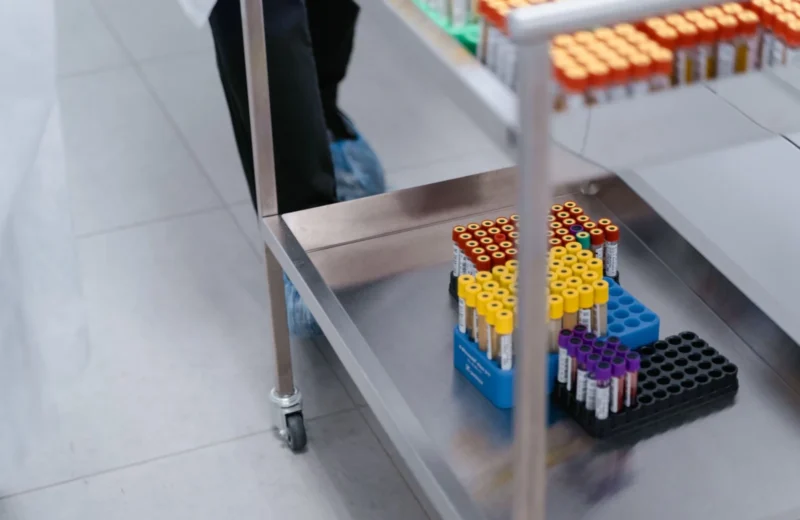
Türkiye points to the European Union’s list of designated rabies antibody laboratories. No Malaysian laboratory appears on it, so the sample is drawn in Kuala Lumpur and couriered to an approved laboratory abroad, usually in Europe or East Asia.
The Turkish note is unusually specific here. It directs owners to the European Commission’s list of designated laboratories performing rabies antibody titration tests. Read that list and the Malaysian problem becomes obvious: the sample has to leave the country before the pet does.
Three consequences follow from that, and they are the ones that actually move dates:
- Courier time is real time. Chilled serum shipping, customs on both ends and laboratory queueing routinely take two to four weeks together.
- A failed result costs a full cycle. A reading under the accepted threshold means revaccination and a fresh sample, not an appeal.
- The vet must know the destination. Sample handling and the paperwork accompanying it differ by receiving laboratory, so the clinic needs to be told it is a Türkiye file.
The same mechanism sits behind the rabies titre test requirements for pets entering China. It is why a Malaysia to Turkey pet relocation is planned backwards from the laboratory, not forwards from the flight.
Not sure which laboratory to use?
We route Malaysian samples to laboratories that Türkiye recognises and track the report back to your vet. Compare our pet relocation pricing →
Microchip and rabies timing: the thirty-day rules
Two separate thirty-day rules apply. The rabies vaccination must be given no later than thirty days before entry, and the titre blood sample must be drawn at least thirty days after that vaccination. The microchip goes in before the vaccination, not after.
Owners frequently collapse these into one rule and lose a month. They run in sequence, and the order cannot be shuffled:
- Microchip first. The animal is identified before anything is vaccinated, so every later document refers to the same number.
- Rabies vaccination second. An inactivated vaccine, recorded with product, batch and date.
- Blood sample third. Drawn no earlier than thirty days after the injection, or the laboratory result will not be accepted.
- Entry last. At least thirty days after the vaccination, with coverage still unbroken on the day of arrival.
A chip fitted after the vaccination invalidates the sequence, because the vaccination record then belongs to an animal that had no identity at the time. Malaysia applies the same logic to arriving animals, as our guide to microchip rules for pets entering Malaysia explains, so a returning pet is caught by the same trap.
The tick and tapeworm treatments most owners miss
Türkiye expects an external parasite treatment effective against ticks and an internal treatment effective against Echinococcus tapeworm, both given within thirty days of travel and signed for by the certifying veterinarian on the health certificate.
These two lines sit near the bottom of the Turkish certificate and are the most commonly overlooked items on the whole route. They are cheap, quick and completely non-negotiable — an unsigned treatment box is a rejected certificate.
The titre test is what owners worry about. The tapeworm line is what actually gets certificates sent back.
The practical fix is to book the treatments and the certificate appointment in the same fortnight, so the vet administers, records and signs in one visit. That also lines up neatly with the fit-to-fly vet check airlines require before acceptance.
Banned breeds, the two-pet limit and approved ports
Five dog breeds are forbidden entry to Türkiye, a traveller may bring at most two pets, and animals may only arrive at ports of entry approved for live animals. An itinerary landing at an unapproved airport fails regardless of how good the paperwork is.
The breed list is short and absolute: Pitbull Terrier, Staffordshire Terrier, Japanese Tosa, Dogo Argentino and Fila Brasileiro, together with dogs of the same type. There is no permit route around it, and a crossbreed that a Turkish official reads as one of these can be refused at the border.
The port restriction is the quieter rule. Türkiye’s agriculture ministry maintains a list of ports of arrival approved for live animals and animal products, published through the official pet travel guidance for Türkiye. Three things follow:
- Istanbul is the safe default. The main international airport handles live animal inspection and is where a Kuala Lumpur departure naturally lands.
- Domestic onward legs need checking. A pet continuing to Antalya, Izmir or Ankara clears veterinary control at the first Turkish airport, not the last.
- A cheap routing can be an invalid one. A connection that arrives at a secondary airport may simply have no veterinary border post to clear the animal.
Cabin, hold or cargo on the Istanbul route?
Turkish Airlines splits pets by the combined weight of animal and carrier. Eight kilograms or less travels in the cabin; anything heavier goes in the hold, banded as light, medium or heavy. The fee is charged per carrier, not per animal.
Because Kuala Lumpur has a non-stop service to Istanbul, this is one of the few long-haul routes out of Malaysia where the cabin option is genuinely available to a small cat rather than theoretical. The bands below come from the carrier’s own published conditions.
Turkish Airlines Pet Carriage Bands by Combined Weight
| Carriage band | Upper weight of band | Kg | Typical animal |
|---|---|---|---|
| Cabin, 0 to 8 kg | 8 | A cat or a very small dog in a soft carrier | |
| Hold, light band | 23 | Most cats in rigid crates, small and medium dogs | |
| Hold, medium band | 32 | A larger dog in a correctly sized crate | |
| Hold, heavy band | 33+ | Large breeds, and the band where cargo is often simpler |
Source: My Pet Mover reading of Turkish Airlines published pet carriage categories, 2026.
The carrier’s published pet carriage fee conditions add one detail worth knowing: the fee is charged per carrier, so two cats sharing one approved container are charged once. Crate size still follows the animal, not the fee band — measure using the method in our guide to IATA crate sizing for dogs, then choose the mode. The wider trade-offs are set out in cabin versus cargo versus excess baggage.
How long does a Malaysia to Turkey pet relocation take?
Allow ten to fourteen weeks from the first veterinary appointment to arrival in Istanbul. The thirty-day gap between vaccination and blood sampling plus the overseas laboratory turnaround account for most of it.
The chart below sets each milestone against the weeks before departure at which it needs to be complete. The shape is front-loaded, and everything that fixes the flight date happens in the first six weeks.
Malaysia to Türkiye Preparation Timeline, Weeks Before Departure
| Milestone | Weeks before flight | Weeks |
|---|---|---|
| Records audit, breed check, chip verification | 14 | |
| Rabies vaccination given or repeated | 13 | |
| Titre blood sample drawn and couriered out | 9 | |
| Laboratory report received and filed | 6 | |
| Flight booked and crate fitted | 5 | |
| Tick and tapeworm treatments | 2 | |
| Certificate issued and DVS endorsement | 1 |
Source: My Pet Mover operational planning data for Malaysian pet exports requiring an overseas titre test, 2024 to 2026.
Ten weeks is achievable when the rabies vaccination is already current and the animal is chipped correctly. Fourteen is realistic when a booster is needed first. Costs sit in the same range as other long-haul departures from KL, as our breakdown of the cost of flying a dog overseas shows.
Posting date already fixed?
We work the timeline backwards from your Istanbul date and tell you immediately whether it is achievable. Review our Malaysian export process →
The direct flight advantage, and the EU transit trap
Turkish Airlines operates a non-stop Kuala Lumpur to Istanbul service, so a pet on this route need never change aircraft. Routing through Europe instead adds an EU transit health certificate on top of the Turkish one, for no benefit.
The Malaysian side of the file is unchanged by any of this. The animal still needs an official health certificate through the state Department of Veterinary Services import and export procedure, and clearance under the MAQIS animal export procedure at KLIA.
What changes is everything after departure. The airline’s own Kuala Lumpur to Istanbul route page confirms the non-stop service, and a single-carrier, single-sector journey removes the three problems that dominate connecting routes:
- No interline handover. The animal is never transferred between two airlines’ live-animal systems mid-journey.
- No transit-country conditions. Nothing to satisfy beyond Malaysia’s exit rules and Türkiye’s entry rules.
- No second ground handling. One acceptance in Kuala Lumpur, one release in Istanbul.
The trap is the tempting European connection. A pet transiting an EU country on its way to a third country needs a full EU transit health certificate, exactly as if the EU were the destination. A Frankfurt or Amsterdam stop therefore doubles the document work. Our note on transit rules and permits during pet layovers covers the mechanism, and the Malaysia to Germany pet relocation guide sets out what an EU file involves. Flight day at KLIA runs as described in our walk-through of pet cargo at KLIA.
Where Malaysia to Türkiye pet files actually fail
Türkiye files fail on laboratory sequencing and small certificate details far more often than on the flight. The costliest error is drawing blood too early; the most common is an unsigned parasite treatment line.
The table groups failures by the stage that creates them, which is rarely the stage that reveals them.
Failure Points by Stage, Malaysia to Türkiye Pet Files
| Stage | What goes wrong | How the file recovers |
|---|---|---|
| Identification | Microchip fitted after the rabies vaccination | Revaccinate after chipping and restart the thirty-day count. A month lost. |
| Blood sampling | Sample drawn fewer than thirty days after vaccination | Redraw and resend. The laboratory fee and the courier cycle are both repeated. |
| Laboratory choice | Sample sent to a laboratory Türkiye does not recognise | Redraw and send to a designated laboratory. Three to four weeks lost. |
| Certificate detail | Tick or tapeworm treatment box left unsigned | Reissue and re-endorse, provided the treatments are still inside thirty days. |
| Number of pets | Two animals listed on a single certificate, or three pets per traveller | Split into one certificate per animal; a third pet needs a second traveller. |
| Breed | A listed or listed-type dog booked for Türkiye | No recovery. The move has to be redirected to another country. |
| Routing | European connection booked without an EU transit certificate | Rebook onto the non-stop, or add the full EU transit file. |
Source: My Pet Mover operational file data, Malaysian pet exports requiring rabies antibody testing, 2024 to 2026.
Only one row is a carriage failure. That is the inverse of the Egypt route, and it is why a Türkiye file is audited at the clinic rather than at the airline desk. Owners heading further west can compare the shape with our Malaysia to Mexico pet relocation guide.
Conclusion: build the file around the laboratory
Fix the chip, the vaccination and the blood sample in that order, send the sample to a laboratory Türkiye recognises, then book the non-stop and take the certificate last. That sequence delivers a compliant pet in about three months.
Türkiye rewards owners who start at the clinic. Nothing on this route is difficult once the titre result is in hand, and the direct flight means the transport question that dominates most long-haul moves barely registers here.
The working order is short: chip, vaccinate, wait thirty days, draw blood, choose an approved laboratory, book Istanbul, treat for parasites, then certify. The pet export from Malaysia hub sets out every other destination in the same sequence.
Frequently Asked Questions
Does a pet from Malaysia need a rabies titre test for Türkiye?
Yes. Türkiye requires a valid rabies antibody titre result from an accredited laboratory, sampled at least thirty days after the rabies vaccination. Official guidance on the Turkish certificate warns that without a valid result, an arriving pet may face a twenty-one day quarantine with rabies titre testing carried out on arrival instead.
Is there a waiting period after the blood test before flying to Türkiye?
No mandatory waiting period is stated for entry to Türkiye. This is the main difference from Japan and most Gulf states, which require three to six months between the blood draw and arrival. For Türkiye, the practical delay is the courier and laboratory turnaround, typically two to four weeks.
How many pets can I bring into Türkiye?
A maximum of two pets per person, or ten aquarium fish. Only cats, dogs, aquarium fish and birds may be brought in; other species are not permitted. Each animal also needs its own separate veterinary health certificate, as multiple pets cannot be listed on one document.
Which dog breeds are banned from entering Türkiye?
Pitbull Terrier, Staffordshire Terrier, Japanese Tosa, Dogo Argentino and Fila Brasileiro are forbidden, along with dogs of the same type. There is no permit or exemption route, so an owner with one of these breeds needs to plan a move to a different country entirely.
Ready to move your pet from Malaysia to Türkiye?
Send us the vaccination record and your target month in Istanbul. We will check the chip and vaccination sequence, route the blood sample to a laboratory Türkiye recognises, and give you one dated plan through to collection.