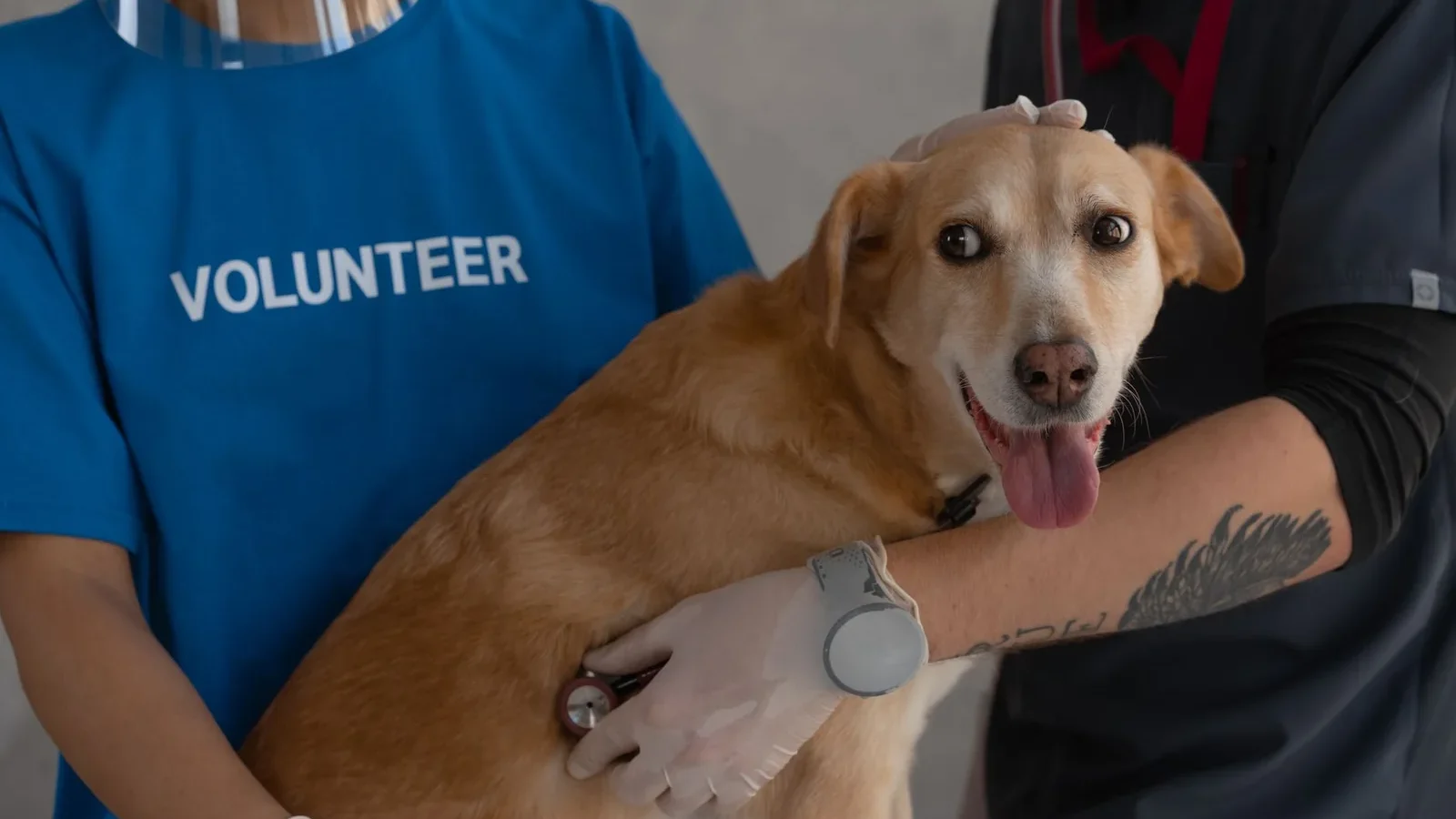
A fit to fly certificate pet airline staff will accept is a carrier document, not a border document. A vet examines the animal close to departure and states it is healthy and fit for air carriage. The government health certificate is a separate paper with its own signer and its own window, and one does not stand in for the other.
Introduction: two signatures, one flight
Most owners think one vet visit produces one certificate. In practice an international move needs two separate veterinary signatures — one that satisfies the destination’s border authority, and one that satisfies the airline that accepts the crate.
Owners usually discover this at the worst moment. The export paperwork is endorsed, the permits are in order, and the cargo desk still asks for something the file does not contain.
That something is the fit to fly certificate pet airline staff check before accepting an animal for carriage. It answers a narrow question the border paperwork never asks: is this animal well enough to travel today?
The two documents run on different clocks and fail for different reasons. Sorting out which is which early is one of the quieter parts of planning an international pet move from Malaysia.
What a fit to fly certificate pet airline staff accept must say
The airline wants a dated statement from an examining vet that the animal was examined, found healthy, showed no sign of contagious disease, and is fit to travel by air in a container. Anything vaguer than that gets questioned at the counter.
There is no single global form. IATA publishes the Live Animals Regulations that member airlines follow, and its passenger guidance states that a health certificate is required for international travel and may be time sensitive. The contents are left to the carrier and the route.
In practice the wording carriers look for is consistent:
- Identification that matches everything else. Microchip number, breed, sex, age and colour, written as they appear on the permit.
- The examination date. Not the printing date. Acceptance staff read this first.
- A clinical finding. That the animal was examined and found free of signs of infectious or contagious disease.
- A fitness statement. That the animal is fit to travel by air, in a container, on the intended date.
- A signature and practice stamp from a registered vet, with a legible name and licence details.
The fitness statement is the part owners underestimate. A vet can honestly certify that an animal is healthy while declining to certify it fit for a fourteen-hour cargo journey. Only the second judgement gets the crate onto the aircraft.
Two certificates, two gatekeepers
The airline certificate is read at the cargo terminal before departure. The government certificate is read by a border authority after arrival. Different readers, different questions, different consequences when something is wrong.
The table below sets the two side by side, with the supporting documents that travel with them.
Two Certificates, Two Gatekeepers
| Document | Who signs it | Who reads it | What it settles |
|---|---|---|---|
| Fit-to-fly statement | Examining vet in practice | Airline or handling agent at acceptance | Whether this animal can safely be carried on this flight |
| Government health certificate | Government or government-endorsed vet | Destination border authority | Whether the animal may legally enter the country |
| Import permit | Issuing authority, filed by an authorised agent | Border authority on arrival | Whether entry was approved before departure |
| Vaccination and test records | Vaccinating vet and testing laboratory | Both the airline and the border authority | Whether disease cover is valid on the travel date |
| Container declaration | Shipper or agent | Acceptance staff, against IATA container rules | Whether the crate itself may be loaded |
Compiled by My Pet Mover from IATA Live Animals Regulations guidance and Malaysian import and export procedure, 2026.
A clean government file therefore tells you nothing about airline acceptance. Malaysia’s entry rules, published by the Department of Veterinary Services, govern the border side only. The airline runs its own gate. Our guide to the veterinary health certificate for Malaysia entry covers that second document in full.
Not sure which certificate your route needs?
Requirements differ by destination, and the wrong signer costs you the departure. See how pet export from Malaysia is documented →
What a pre flight vet examination pet owners book actually covers
A pre flight vet examination pet owners book for travel is a full physical, not a vaccination top-up. The vet works through temperature, heart, airway, skin, abdomen and movement, because each of those can independently stop the certificate being signed.
The table below maps what gets examined against what a finding usually does to the travel plan.
What The Pre-Flight Examination Covers
| Examined | What the vet is looking for | Usual effect on the certificate |
|---|---|---|
| Temperature and condition | Fever, dehydration, weight loss | Held until treated and rechecked |
| Heart and circulation | Murmur, irregular rhythm, poor perfusion | Referral first; often signed after workup |
| Airway and breathing | Noisy breathing, narrow nostrils, effort at rest | Route and breed limits applied |
| Skin and coat | Parasites, open wounds, spreading lesions | Contagious findings block signing |
| Abdomen | Pain, masses, recent surgical sites | Postponed until healed |
| Movement and joints | Lameness, difficulty standing or turning | Crate size reassessed before signing |
| Reproductive status | Late pregnancy, nursing litter | Most carriers decline carriage |
| Behaviour under handling | Aggression, panic, inability to be crated | Handling plan required, or refusal |
Compiled by My Pet Mover from published veterinary travel guidance and airline acceptance practice, 2026.
The last row is the one owners forget to prepare for. An animal that cannot settle in a container is a welfare problem in the air. Working through crate training well before the flight changes what the vet sees. Older animals get a deeper version of this examination, which is why preparing a senior pet for overseas travel starts earlier.
Who may sign it, and why the wrong vet costs the flight
Any registered vet can usually write the airline’s fitness statement. The government certificate is different — many destinations require a specifically accredited or government-employed vet, and a signature from outside that list is treated as no signature at all.
The American Veterinary Medical Association makes the point bluntly for travel out of the United States: a certificate of veterinary inspection must be signed by a federally accredited veterinarian, and not all veterinarians hold that accreditation. The same structure appears in most countries under different names.
So the sequence matters more than the appointment itself:
- Confirm the destination’s signer requirement first. This is set by the receiving country, not by your clinic.
- Check your regular vet’s status. If they cannot endorse for export, they can still examine, but a second vet signs.
- Book both visits in the right order. The export certificate usually depends on the examination.
- Leave room for endorsement. Where a government office counter-signs, that step has its own queue.
Getting this wrong is a common way a departure slips, and it sits alongside the other paperwork mistakes that delay pet entry.
Airline fit to fly certificate timing windows
An airline fit to fly certificate is short-dated on purpose. Ten days before departure is the common outer limit, and several carriers and destinations work to tighter windows, so the examination usually lands in the final week.
The chart below shows how the last month before departure typically sequences, measured in days before the flight.
The Final Month, In Days Before Departure
| Step | Days before departure | Days |
|---|---|---|
| Book the examining vet | 30 | |
| Confirm signer accreditation | 21 | |
| Pre-flight examination | 8 | |
| Government endorsement | 6 | |
| Documents to the airline | 3 | |
| Acceptance at the terminal | 0 |
Illustrative scheduling model by My Pet Mover, built on published ten-day certificate windows and standard Malaysian export practice, 2026. Actual windows are set by the destination and the carrier.
Two things follow. The examination cannot be brought forward to suit your diary, and it cannot be pushed back either, because the endorsement queue sits behind it. Route length matters too: a road move like driving a dog to Singapore across the Causeway compresses this calendar considerably.
Working backwards from a fixed departure date?
We build the vet, endorsement and acceptance dates around the flight rather than the other way round. See what a managed relocation covers →
Why acceptance can still fail on the day
A signed certificate is a strong argument, not a guarantee. Acceptance staff run their own visual check against IATA’s live animal acceptance checklist, and they can refuse an animal that looks unwell regardless of what the paperwork says.
IATA’s own material is clear that the checklists are formal steps, not courtesies. The in-cabin checklist has applied since 1 January 2023, a separate checklist covers animals travelling below the wing, and operators must retain a completed copy for audit.
At the counter, the handler is looking at the animal, not only at the file. Panting that will not settle, a wound opened since the examination, a crate the animal cannot stand up in: any of these can end the booking after every signature is in place.
Where vet clearance pet flight refusals actually come from
Most vet clearance pet flight problems are administrative rather than medical. Expired or mismatched dates and non-compliant containers account for the bulk of refusals; genuinely unwell animals are the smaller share.
The model below distributes a hundred refusal events across the reasons owners most often hit.
Modelled Share Of Acceptance Refusals
| Reason for refusal | Modelled share | Share |
|---|---|---|
| Dates expired or inconsistent | 30% | |
| Container fails the size or build rules | 24% | |
| Clinical signs on the day | 18% | |
| Breed or route restriction applied | 14% | |
| Sedation declared or suspected | 8% | |
| Age, pregnancy or other welfare grounds | 6% |
Illustrative model by My Pet Mover, built on IATA acceptance-checklist criteria and common Malaysian export failure points, 2026. Not a survey of carrier records.
The shape of that model is the useful part. Four of the six reasons are settled weeks earlier at a desk, not at a clinic. Container fit is worth resolving early, since it interacts with airline restrictions on flying snub-nosed breeds and with which carriers will take the booking at all.
Sedation: the fastest way to lose acceptance
Sedation and a fitness statement pull against each other. IATA advises against sedating animals for air travel, and states that airlines may refuse to carry a sedated animal at their discretion.
The reasoning is physiological rather than procedural: tranquillisers reduce an animal’s ability to respond to stress during transport. The AVMA agrees, noting that sedatives can raise the risk of heart or respiratory problems and are generally not permitted by airlines.
If a vet does prescribe something, IATA’s position is that it must be under veterinary direction and the airline must be told. Quietly medicating an animal before drop-off is the version that ends badly: an unsteady animal at acceptance invites the scrutiny you hoped to avoid. Our piece on why vets advise against sedating pets for flights covers the alternatives.
The checks that sit outside the certificate
Age minimums, breed policies and container standards are carrier rules, not veterinary findings. A vet can certify a perfectly healthy eight-week-old puppy that the airline will still decline to carry.
IATA’s passenger guidance states that unweaned animals and animals under eight weeks must not travel, and that destination countries and airlines may set stricter age policies still. Breed restrictions work the same way: set by the carrier, applied at booking.
Three of these deserve checking before you pay for anything:
- Age. Both the minimum and any destination rule tied to rabies vaccination timing.
- Breed. Flat-faced dogs and cats face route bans and seasonal embargoes on many carriers.
- Container. The animal must stand, turn, sit and lie down naturally, with proper ventilation on the vertical sides.
Which airline you book decides how strict each of these is, so it pays to compare the airlines that carry pets to and from Malaysia before fixing a date.
What to bring so one visit is enough
Bring the destination’s requirement sheet, the microchip number, the full vaccination history and the flight details. Missing any one of them usually turns a single appointment into two, inside a window that has no room for a second.
A short pack list keeps the visit clean:
- The destination’s own requirement text, printed. Your vet certifies against it and should not have to hunt for it.
- Microchip number and implantation date, plus a scanner reading if the chip is older.
- Complete vaccination history, including rabies batch numbers and validity dates.
- Laboratory reports for any titre or parasite testing the route requires.
- Flight number, date and crate dimensions, so the statement matches the actual journey.
Bring the crate measurements especially. A vet certifying fitness for air carriage is entitled to ask whether the container suits the animal, and that conversation is easier with numbers in hand. If your file is still incomplete, our document checklist for moving a pet is the place to start.
Conclusion: the last signature, not the first
The airline’s fitness check is the last gate in a long sequence, and it is short-dated for a reason. Plan it as the final step of a file that was already complete, not as the appointment where the file gets built.
The animals that clear acceptance easily are rarely the healthiest ones. They are the ones whose owners settled the destination rules, the signer, the crate and the flight date weeks earlier.
By the time the vet writes the fitness statement, nothing should be unresolved except the animal’s condition that morning. The far end matters too: how long a dog takes to settle after a move is worth reading before departure rather than after.
Frequently Asked Questions
1. Is a fit-to-fly certificate the same as a government health certificate?
No. The fit-to-fly statement is written for the airline by an examining vet and read at acceptance. The government health certificate is written for the destination’s border authority, often by an accredited or government vet, and read on arrival. Most international moves need both.
2. How close to the flight should the examination happen?
Usually within ten days of departure, and often tighter. The AVMA notes that a certificate of veterinary inspection is generally issued within ten days before air travel, and individual carriers and destinations may shorten that window further.
3. Can my usual vet sign everything?
For the airline’s fitness statement, normally yes. For the export certificate, it depends on the destination — many require a specifically accredited or government-employed veterinarian. Confirm your vet’s accreditation status before booking the appointment.
4. Can the airline refuse my pet even with a signed certificate?
Yes. Acceptance staff apply IATA’s live animal acceptance checklist on the day and assess the animal and its container in front of them. A certificate supports the booking, but visible illness, an unsuitable crate, or signs of sedation can still end it.
5. What happens if the flight is delayed past the certificate window?
The certificate has to be reissued, which means another examination and, where relevant, another endorsement. This is why the flight date is fixed first and the veterinary appointment is scheduled backwards from it.
Need the vet timing planned around your flight?
Tell us the destination and the date you have in mind. We come back with the signer your route needs, the examination window it has to sit in, and the permits that must be filed before any of it starts.