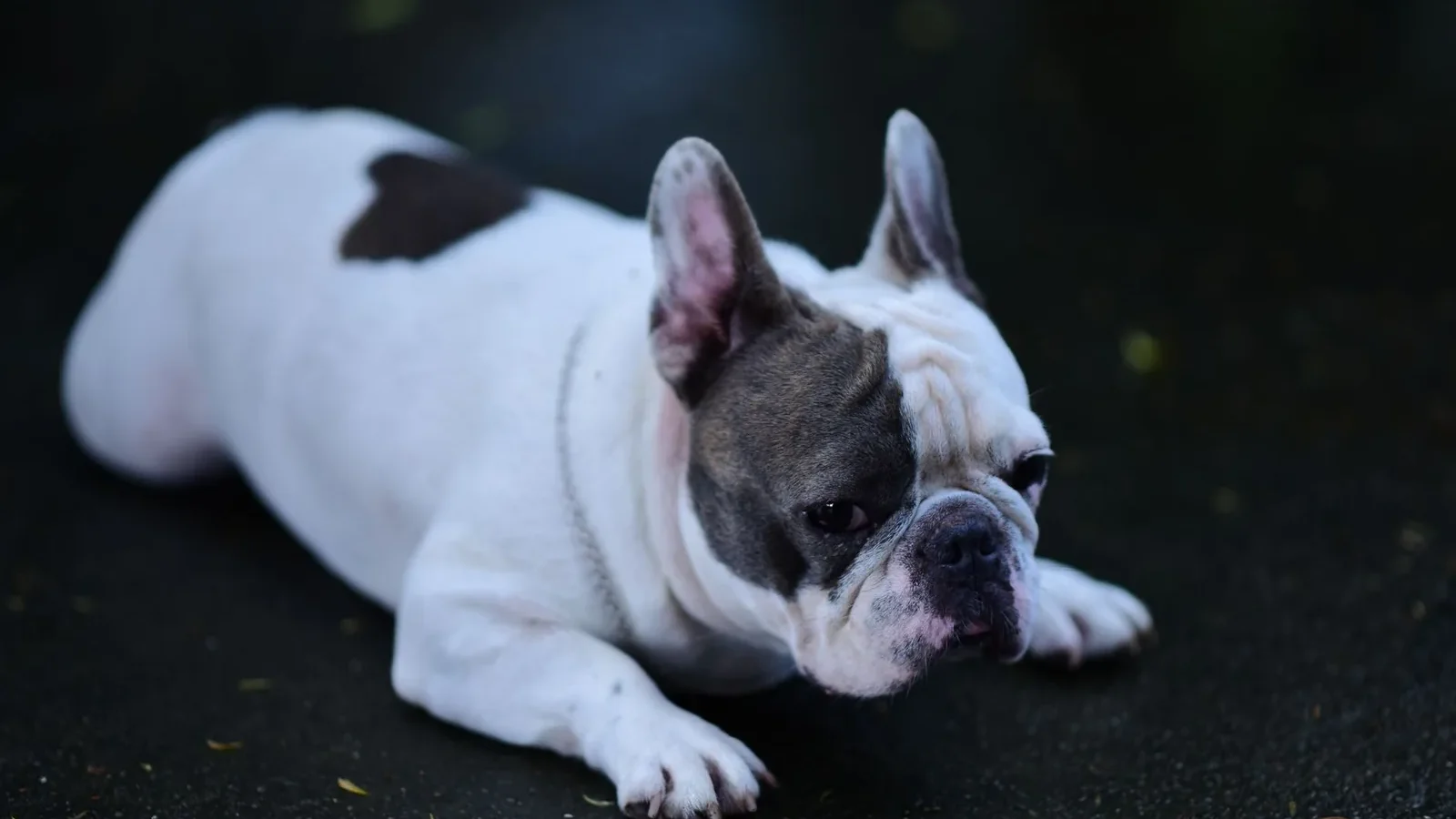
A Toy Poodle, Pomeranian or Chihuahua is light enough for almost any cabin allowance in the world, and still cannot sit with you on the way out of Kuala Lumpur. Malaysia Airlines carries animals in the hold only. Being tiny buys you the cheapest crate band and the widest airline choice, not a seat.
Introduction: three small breeds, one hold
Owners of toy breeds arrive expecting the easy version of a pet move. The dog weighs three kilos, so surely it rides under the seat. From Malaysia the answer is no, and the reason has nothing to do with the dog.
Almost every article about a small dog in cabin flight is written from an American or European desk. In those markets a dog under about eight kilograms genuinely does ride under the seat in a soft carrier, and the advice reads as universal.
It is not universal. It is a product some airlines sell and others do not, and the airline you leave Kuala Lumpur on almost certainly does not sell it.
That single fact reshapes the whole file. Once you accept that your Pomeranian is flying in the hold like every other dog, the useful question changes from how do I get a seat to what does being this small actually save me. The answer turns out to be real money and a wider choice of flights.
This guide covers what the cabin rules measure, where the three breeds land against them, what a toy body changes about the crate, and the health risks that outrank size entirely. My Pet Mover books toy breeds across our international pet transport routes every month. The video below shows how the cabin-versus-hold decision looks from a carrier that actually sells both.
Can a Poodle, Pomeranian or Chihuahua fly in the cabin from Malaysia?
Not on the national carrier. Malaysia Airlines’ general conditions of carriage state that animals must be carried in the cargo compartment and are not allowed in the passenger cabin. Guide dogs for passengers with a visual or hearing impairment are the written exception. A pet toy breed is not.
The rule sits in the airline’s contract of carriage rather than in a help article, which matters, because contract terms do not move when you ask nicely at the counter. The Malaysia Airlines general conditions of carriage put animals in the cargo compartment and carve out guide dogs only.
Foreign carriers serving Kuala Lumpur are a more interesting question. Several of them do sell a cabin product elsewhere on their network. Two things still get in the way:
- Station acceptance is not network-wide. An airline that takes a small dog in cabin flight bookings in Europe may not staff or offer that product at every outstation it serves, so the Kuala Lumpur answer has to be confirmed for the specific flight number and date.
- The destination has to accept a cabin arrival. Many countries only clear imported animals through a cargo terminal with an airway bill, so a cabin booking would strand the dog at the far end even if the airline sold it.
The result is the same conclusion we reach on nearly every file, and the same one behind the cabin question on the Taipei to KL route. Plan the hold. If a cabin sector genuinely opens up later, that is a bonus, not a plan.
Not sure which carriers will take your dog?
Airline acceptance changes by route, aircraft type and season, so the list is worth checking before you book your own ticket. See which airlines carry pets to and from Malaysia →
What a cabin allowance actually measures
Cabin allowances are combined weights, not dog weights. Turkish Airlines, for example, caps a cabin pet at 8 kg including the carrier, with the bag itself limited to 23 cm high, 30 cm wide and 40 cm long. The carrier eats into the allowance before the dog is weighed.
That distinction catches people out constantly. Owners read “8 kg” and compare it to the number on their vet’s scale. The airline compares it to the number on the check-in scale with the bag, the pad and the dog all together.
Published limits like the Turkish Airlines pet travel rules are typical of the shape: one combined ceiling, one fixed bag envelope, economy cabin only. Here is what that ceiling leaves once the bag is on the scale.
What an 8 kg Combined Cabin Allowance Leaves for the Dog
| Carrier setup taken to the counter | Empty weight | Weight left for the dog | Comfortably clears it |
|---|---|---|---|
| Light soft carrier, nothing added | 1.2 kg | 6.8 kg | All three toy breeds |
| Framed soft carrier with padded base | 1.8 kg | 6.2 kg | All three toy breeds |
| Soft carrier plus absorbent pad, bowl and blanket | 2.2 kg | 5.8 kg | All three, most Miniature Poodles |
| Small hard-sided kennel within the bag envelope | 2.6 kg | 5.4 kg | All three toy breeds |
Illustrative model built by My Pet Mover, 2026, applying a typical 8 kg combined cabin ceiling to four common carrier setups. Carrier weights are indicative of products sold in Malaysia and vary by brand; weigh your own bag before assuming it fits.
The good news for these three breeds is that the carrier overhead barely matters. They are so far under the ceiling that even a heavy bag leaves room. The rule they fail is the one about which cabin they may enter, which is why the numbers above are worth understanding but rarely worth planning around on a pet export out of Malaysia.
Where a Poodle, Pom and Chihuahua land on the scale
A Chihuahua and a Pomeranian rarely pass three kilograms, and a Toy Poodle rarely passes four. The word Poodle is the trap. A Miniature Poodle sits near the top of a typical allowance and a Standard Poodle is five to eight times over it.
Most owners of the first three breeds have never had to think about a weight limit. Poodle owners do, because the name covers three very different dogs and the paperwork does not say which one you have.
Typical Adult Weight Against the 6.8 kg Left by a Light Carrier
| Breed or variety | Typical adult weight | Verdict against 6.8 kg |
|---|---|---|
| Chihuahua |
1.8 to 2.7 kg |
Clears with room to spare |
| Pomeranian |
1.9 to 3.2 kg |
Clears with room to spare |
| Toy Poodle |
2.5 to 4.0 kg |
Clears comfortably |
| Miniature Poodle |
5.0 to 7.0 kg |
Borderline, weigh it first |
| Standard Poodle |
20 to 32 kg |
Never a cabin candidate |
Compiled by My Pet Mover, 2026, from typical adult weight ranges seen on relocation files. Bar widths are scaled to the 32 kg top of the range. Individual dogs vary; the airline reads your dog’s actual weight, not the breed average.
The pattern is worth naming. Every dog on that list except the Standard Poodle would be legal in a cabin somewhere in the world, and none of them can use that fact leaving Malaysia. Size only starts paying you back once the dog is in the hold, which is the subject of the next section. For a look at the opposite end of the same scale, see how the maths runs for moving a Golden Retriever overseas from Malaysia.
The toy-breed advantage is the crate band, not the seat
Air cargo bills the greater of actual weight and volumetric weight, and volumetric weight comes from the crate’s outside dimensions. A toy breed fits the smallest kennel on the shelf, which is why the same flight that costs a Labrador owner a fortune costs a Chihuahua owner far less.
The IATA live animals container requirements set the minimum internal size from the dog’s own measurements: length from nose to tail root, height to the top of the head or ears, and width across the shoulders. A three-kilo dog produces small numbers on all three, and small numbers land in the cheapest band.
Chargeable Volumetric Weight by Crate Band, and Who Needs Each One
| Crate band | Internal floor length | Chargeable volumetric weight | Typically ordered for |
|---|---|---|---|
| Extra small | About 53 cm | About 12 kg | Chihuahua, Pomeranian, Toy Poodle, most cats |
| Small | About 68 cm | About 27 kg | Miniature Poodle, Shih Tzu, small terriers |
| Medium | About 81 cm | About 46 kg | Beagle, Shiba Inu, Cocker Spaniel |
| Intermediate | About 89 cm | About 60 kg | Corgi, Border Collie, Standard Poodle |
Compiled by My Pet Mover, 2026, from published external dimensions for common hard-sided flight crate bands, with volumetric weight calculated at the standard air cargo divisor. Manufacturer dimensions vary by model, so confirm the actual crate before booking.
Roughly a fivefold difference in chargeable weight sits between the smallest band and the intermediate one. That is the toy-breed dividend, and it is worth considerably more than an under-seat space would have been. How that converts into a final figure is set out in how air cargo pet rates work, and the opposite extreme in our guide to Great Danes and oversize pet cargo.
There is a second, quieter advantage. Small crates fit aircraft that large ones do not, so a toy breed usually has more flight options on any given week and is far less likely to be bumped for hold space.
Want a figure for your own dog?
Crate, freight and clearance are three separate lines on a relocation quote, and a toy breed moves all three in your favour. See how pet relocation is priced →
The health risks that outrank size
The genuine flight risks for toy breeds are airway and metabolic, not structural. Collapsing trachea is common in Toy Poodles, Pomeranians and Chihuahuas, and a very small dog loses heat and blood sugar faster than a large one. Both are managed before departure, not on the day.
Tracheal collapse is a weakening of the cartilage rings that hold the windpipe open, and Cornell’s veterinary guidance on tracheal collapse names toy and small breeds as the group it affects, usually from middle age. The classic sign is a dry, harsh, honking cough that gets worse with excitement or pressure on the neck.
Three things follow for a flight file:
- Harness, never a collar. Anything that loads the throat is the wrong equipment for a dog with a soft windpipe, and airport handling involves more lead pressure than a normal day.
- Get the cough diagnosed before the vet check, not at it. An undiagnosed honking cough at the fit-to-fly vet check is a fast route to a deferred flight.
- Never sedate. Sedatives depress breathing and blunt temperature control, which is the wrong combination for a narrow airway at altitude. Our note on whether pets should be sedated for flights covers the acceptance risk too.
Temperature is the second issue. A small body has a high surface area for its mass, so it cools faster in a hold and heats faster on an apron. This is a different mechanism from the one that restricts flat-faced breeds, and it is why some very small dogs travel on the same seasonal caution as snub-nosed breeds under airline restrictions even when their own airway is normal. The American Veterinary Medical Association’s air travel guidance makes the same point about air quality and temperature sensitivity in vulnerable dogs.
Blood sugar is the third. Very young or very light toy dogs can drop into hypoglycaemia after a long fast, so your vet’s fasting instruction should be written for this dog’s weight rather than copied from a general checklist.
One practical consequence is worth knowing early. Several carriers publish restricted-breed lists that reach beyond the obvious flat-faced breeds and pick up individual toy breeds as well, and those lists are not identical between airlines. We confirm acceptance for the specific breed against the specific carrier before anyone books a ticket, because a booking made on the wrong carrier is an expensive thing to unwind.
How to set up a flight crate for a three-kilo dog
The most common mistake with a tiny dog is buying too much crate. A container the dog cannot brace against lets it slide during taxi and turbulence, so the correct band plus grippy bedding does more for comfort than extra space ever will.
Owners buy up a size out of kindness. It backfires. Follow these five steps instead.
- Measure, then order the smallest compliant band. Take nose to tail root, ground to elbow, shoulder width and standing height, and let those numbers pick the crate. Our walkthrough on measuring your dog correctly for an IATA crate covers all four.
- Line the floor with something grippy. An absorbent pad over a thin non-slip mat stops a light dog sliding across a smooth base every time the aircraft moves.
- Fix the water bowl to the door, not the floor. A clip-on bowl can be topped up by ground staff without opening the crate, which matters most on the longest transits.
- Condition the crate for at least six weeks. Feed every meal inside it with the door open, then work up to short closed periods. A dog that already sleeps in the box travels far better than one meeting it at the airport.
- Label the crate for a small occupant. Live animal labels, an upright arrow, feeding notes and your contact details on the roof and both long sides, so nobody handling it assumes the box is empty.
What being small actually changes in the timeline
Almost nothing. Of the six stages in a standard export file, body size moves two of them and only slightly. The rabies antibody wait, the import permit and the health certificate window are set by the destination country and run identically for a Chihuahua and a Great Dane.
This is the part owners find hardest to accept. A small dog feels like a small job, and the calendar disagrees.
Export Timeline Stage by Stage, and Whether Body Size Moves It
| Stage, in order | Typical duration | What sets it | Moved by size? |
|---|---|---|---|
| Microchip and rabies vaccination | Day zero | Destination rules | No |
| Antibody blood draw and waiting period | 30 days, then up to 180 | Destination rules | No |
| Import permit application | 2 to 6 weeks | Receiving authority | No |
| Crate order and conditioning | 6 to 8 weeks | The dog and the crate band | Yes, small bands are stocked |
| Flight booking and hold space | 2 to 6 weeks ahead | Aircraft type and season | Yes, more options |
| Health certificate and endorsement | Final 7 to 10 days | Destination rules | No |
Compiled by My Pet Mover, 2026, from the stage sequence used on Malaysian export files. Durations are typical ranges and vary considerably by destination country; confirm against the receiving authority’s current published rules.
Four of six stages are fixed by somebody else’s rulebook. A move to a strict destination such as Germany, with its own rules and timeline, runs to the same calendar whether the dog is a Pomeranian or a Rottweiler.
Conclusion: plan the hold, bank the saving
Treat the cabin as closed on the Malaysian sector and everything else falls into place. Your dog takes the smallest crate on the shelf, the cheapest chargeable weight on the price list, and the same medical and documentation calendar as every other dog leaving the country.
Owners are usually disappointed for about a day. Then they notice they have the easier file of the two: one crate band to confirm, one vet conversation about airway and blood sugar, and a booking with more flight options than a large dog would ever get.
If your household also includes a longer or heavier dog, the sizing logic changes completely, as our guide to moving a Corgi overseas from Malaysia sets out. The three travel options are compared side by side in cabin versus cargo versus excess baggage.
Frequently asked questions
Can I fly with my Chihuahua in the cabin from KLIA?
Not on Malaysia Airlines, whose conditions of carriage place animals in the cargo compartment and allow only guide dogs in the passenger cabin. Some foreign carriers sell a cabin product elsewhere on their network, but acceptance has to be confirmed for the exact flight and the destination must be able to clear a cabin arrival.
What is the weight limit for a small dog in cabin flight bookings?
Where the product exists, the usual ceiling is around 8 kg for the dog and the carrier together, with the bag itself restricted to roughly 23 cm high by 30 cm wide by 40 cm long. Every toy breed clears the weight easily; the carrier envelope is the tighter constraint.
Is the hold safe for a two-kilo dog?
Yes, for a healthy dog cleared by a vet. The hold used for live animals is pressurised and temperature controlled. The risks worth managing are airway conditions such as collapsing trachea, heat loss on a very small body, and low blood sugar after a long fast.
Does a Toy Poodle need a different crate from a Miniature Poodle?
Usually yes. A Toy Poodle normally fits the extra small band while a Miniature Poodle often needs the small band. That one step changes the chargeable volumetric weight substantially, so measure the dog rather than relying on the variety name.
Should I sedate a nervous toy breed for the flight?
No. Sedatives impair breathing and temperature control at altitude, and a visibly sedated animal can be refused at acceptance. Six to eight weeks of crate conditioning does far more for a settled flight.
Is it cheaper to move a toy breed than a large dog?
Considerably, on the freight line. Air cargo bills the greater of actual and volumetric weight, and the smallest crate band generates roughly a fifth of the chargeable weight of an intermediate one. Permit fees, laboratory tests and veterinary work are unaffected by size.
Ready to move your toy breed overseas?
Send us your dog’s weight, breed and destination and we will confirm the crate band, the airline options and the real calendar for that country, then handle the permits, the vet schedule and the KLIA handover.