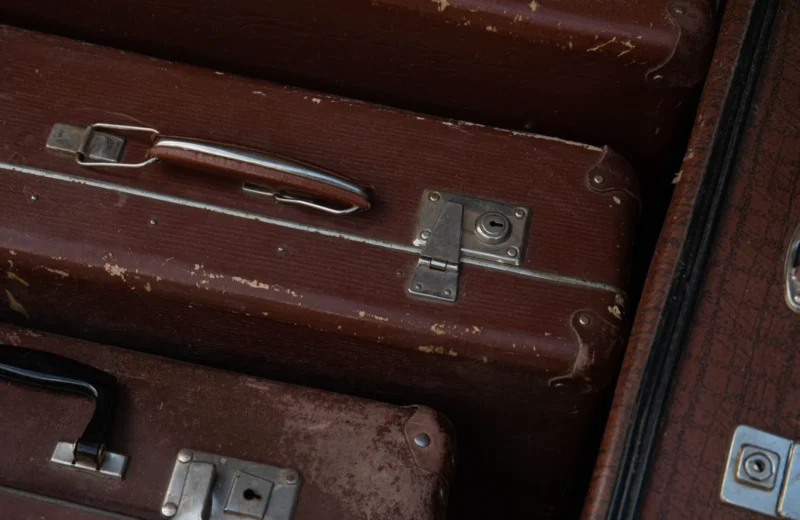
A South Africa to Malaysia pet import runs on the non-scheduled rulebook, so quarantine applies. The harder problem is one sentence in the Malaysian regulation asking the exporting country to declare no rabies in the past six months — a sentence South Africa’s own agriculture department contradicts in public. Settle that wording before booking anything.
Introduction: one sentence decides a South African file
South Africa is not on Malaysia’s scheduled countries list, so quarantine applies on arrival. The clause that actually stalls files is not the quarantine one — it is clause 3.2, which asks the exporting government to certify that no rabies case was reported in the country during the previous six months.
Most owners in Johannesburg or Cape Town start with vaccination dates and crate size. Both matter. Neither is what holds a South African file up.
Malaysia’s non-scheduled regulation asks the exporting country to certify its rabies record. South Africa’s Department of Agriculture publishes alerts naming affected provinces. The two do not sit together, and nobody notices until a state vet is asked to sign. The second surprise is routing: nothing flies Johannesburg to Kuala Lumpur without a stop.
This guide runs the file in the order it happens, the way we handle it at My Pet Mover under our pet import Malaysia service.
Is South Africa a scheduled country for Malaysia?
No. The Department of Veterinary Services notice dated 11 December 2025 names twenty-two scheduled countries, none of them African. A South African dog or cat therefore falls under the non-scheduled regulation and its quarantine clause.
Malaysia publishes two regulations for dogs and cats: one for scheduled origins, one for everything else. The list behind them changed in December 2025, and the notice sits at the back of the non-scheduled regulation PDF rather than announced separately, which is why many owners still work from an older list.
Where South Africa Sits on Malaysia’s Country Classification
| Group | Countries | Quarantine |
|---|---|---|
| Scheduled since 2013 |
UK, Eire, Northern Ireland, New Zealand, Japan, Sweden, Brunei, Singapore |
None stated |
| Added 11 Dec 2025 |
Greece, Luxembourg, Czech Republic, Malta, Slovenia, Estonia, Bahrain, Austria, Belgium, Germany, Portugal, Montenegro, Bulgaria, Lithuania |
None stated |
| Non-scheduled |
South Africa and every country not named above — no African origin is listed |
Applies |
Source: DVS updating notice, 11 December 2025.
Two consequences follow: your pet is quarantined on arrival, and the certificate must satisfy the longer non-scheduled clause set. The gap is explained in our guide to scheduled and non-scheduled origins.
Not sure which rulebook applies to your origin?
We settle the classification in writing first. Compare how a Turkish file runs →
The rabies clause every South African file has to answer
Clause 3.2 asks the exporting government to certify that no rabies case was reported in that country during the six months before the certificate date. South Africa’s own Department of Agriculture states rabies occurs in all nine provinces, so the clause must be resolved with MAQIS in writing.
This is the part nobody warns South African owners about, and it is why a file can look complete and still stall.
“No case of rabies had been reported to have occurred in that country during the six (6) months preceding the date of the certificate.” — clause 3.2, Malaysian non-scheduled import regulation
Read literally, that is a claim about the whole country, not your dog. The South African Department of Agriculture alert of 4 November 2025 says rabies occurs in all nine provinces, names KwaZulu-Natal, Eastern Cape and Limpopo as where dog rabies is common, and records human deaths there in 2025.
South African Rabies Picture Against the Certificate Wording
| Grouping | Provinces named | Effect on clause 3.2 |
|---|---|---|
| Dog rabies common | KwaZulu-Natal, Eastern Cape, Limpopo | Direct conflict |
| Dog rabies outbreaks | Mpumalanga, North West, Free State | Conflict |
| Seal rabies endemic | Northern, Western and Eastern Cape coast | Clause names no species |
Source: South African Department of Agriculture media statement, 4 November 2025, read against clause 3.2 of the Malaysian regulation.
No province is clean, so the wording gets negotiated before it is drafted. A state veterinarian will not sign a sentence contradicting a published national alert, and MAQIS will not accept a certificate missing a clause it asked for. Put the exact text to MAQIS and DVS in advance and get the answer in writing.
Settle one related point in the same email. The published regulation does not list a rabies antibody titre test, yet several third-party summaries tell South African owners one is mandatory. Ask MAQIS directly; our notes on rabies vaccination rules for Malaysia and titre tests cover what one involves.
How long is quarantine arriving from South Africa?
The published regulation says not less than seven days, extendable to six months on risk assessment. Other sources describe a protocol from late December 2024 applying at least fourteen. Budget fourteen, and ask MAQIS to confirm the figure for your arrival date in writing.
Every owner wants one number here. We publish the range instead, because the sources disagree and picking a favourite would be guessing.
Quarantine Days Stated per Source, Arrivals From South Africa
| Source | Days stated | Wording |
|---|---|---|
| DVS non-scheduled regulation, clause 5 | 7 minimum | “Not less than seven (7) days”, released if free of infection |
| Protocol reported 28 December 2024 | 14 minimum | At least fourteen days, applied broadly |
| Risk-assessment clause | Up to 180 | Extendable to six months “on a case to case basis” |
| What we budget for clients | 14 | Confirmed with MAQIS per arrival date |
Source: Malaysian non-scheduled import regulation (clause 5) and reported December 2024 protocol. Confirm with MAQIS or DVS before booking.
Plan the fourteen and treat a shorter stay as a bonus. The risk-assessment clause matters more here than for most origins, because a country-level rabies picture is what a case-by-case assessment examines. Our breakdown of the seven-versus-fourteen-day question traces each figure, and the KLIA quarantine guide covers the stay.
Who signs the South African export certificate
Malaysia requires a veterinary health certificate issued by a competent officer of the exporting country’s government veterinary authority. In South Africa that means a state veterinarian under the national agriculture department, not your private vet acting alone.
Owners often assume their regular vet can do everything. The private vet does the clinical work, but the signature Malaysia recognises is a government one.
| Who | What they handle |
|---|---|
| Your private vet | Microchip, rabies and core vaccinations, the seven-day examination, and the draft certificate |
| State veterinarian | Official endorsement — the signature Malaysia recognises |
| Provincial vet services | Where the endorsement is booked — each province runs its own offices |
| MAQIS Malaysia | Confirms what the certificate must say, then inspects the original at KLIA |
Three details catch these files repeatedly. The examination must fall inside the seven days before export. The original certificate travels with the animal, not by courier. And the regulation asks that the pet was not itself imported into South Africa in the previous six months, which rules out families relocating again soon after arriving.
The Western Cape Department of Agriculture publishes the provincial export process, and permit queries sit with the national agriculture department. The Malaysian side is in our veterinary health certificate guide.
Working out which documents your file needs?
We build the list against the clauses MAQIS checks. See the Malaysian document checklist →
Breeds: what Malaysia blocks, and what your route blocks
Malaysia bans seven breeds outright and restricts six more behind written approval from the Director General of MAQIS. The Boerboel appears on neither list, so South Africa’s own large breed can enter Malaysia — but it is banned in Singapore, one of the common transit hubs on this route.
The Malaysian lists are short and specific:
- Banned outright. Akita, American Bulldog, Dogo Argentino, Fila Braziliero, Japanese Tosa, Neapolitan Mastiff, Pit Bull Terrier and its Staffordshire variants.
- Restricted, approval required. Bull Mastiff, Bull Terrier, Doberman, German Shepherd and its Belgian and East European relatives, Perro de Presa Canario, Rottweiler.
- Not listed at all. The Boerboel and the Rhodesian Ridgeback — the opposite of what most South African owners expect.
The catch sits in the routing. Singapore prohibits the Boerboel and is a standard connection point between Johannesburg and Kuala Lumpur, so the breed decides the hub before the price does. If Singapore is in your plan, read our AVS licence guide first.
For a restricted breed, written approval comes before the permit and carries conditions: at least three months of age, a pedigree certificate with the microchip code recorded, and an inspection of the Malaysian home. Full detail is in our guide to banned and restricted dog breeds in Malaysia.
What a South Africa to Malaysia pet import costs
Air freight dominates the bill on this route because the distance is long and there is no direct flight. Quarantine, the crate, permits and both countries’ veterinary work make up the rest. Crate size drives the freight figure more than anything else you control.
Freight is priced on volumetric weight, so a Boerboel-sized crate costs several times what a cat carrier costs on the identical flight.
Cost Lines on a Johannesburg to Kuala Lumpur Pet Move
| Line item | Relative weight in the total | What drives it |
|---|---|---|
| Air freight, JNB to KUL | Crate volume | |
| Quarantine stay at KLIA | Days confirmed | |
| IATA-compliant crate | Dog size | |
| Vet work and state endorsement | Fixed per animal | |
| MAQIS permit and clearance | Smallest line |
Source: indicative shape of a South Africa to Malaysia file, My Pet Mover, 2026. Relative weights, not fixed prices.
Two lines are worth attacking early. Measure your dog before buying a crate — an oversized box is the costliest avoidable mistake on a long route, and our IATA crate sizing guide walks through it. And confirm the quarantine days, since each one is a real charge; the quarantine cost breakdown and MAQIS fee guide cover the Malaysian side.
Want a quote against your actual route?
We price freight, crate, permits and quarantine against your departure city. See what drives overseas pet flight costs →
Flying a pet from Johannesburg to KLIA
There is no direct flight between Johannesburg and Kuala Lumpur, so every South African pet connects through a hub. The Malaysian regulation asks that the animal travels to the prescribed landing place, meaning it stays in the airline’s care throughout rather than clearing into the transit country.
Pets travel as manifest cargo out of O.R. Tambo or Cape Town, and the hub sets the journey time, the handling standard and whether a breed rule bites en route.
| Hub region | What to weigh |
|---|---|
| Gulf hubs | Established live animal handling and frequent onward services; plan around ramp heat |
| Singapore | Shortest final leg, but Singapore prohibits several breeds, the Boerboel included |
| East Asian hubs | Longer journey, often an overnight connection and an extra handling stop |
Book the route as a single consignment rather than two legs. Splitting it makes the pet an arrival problem at the hub instead of a through-shipment, and that is where long holds happen. The Malaysian end is in our guide to the KLIA cargo flight day.
Who files the Malaysian import permit
A MAQIS-registered agent files the import permit through the online system. Individual owner applications are no longer accepted, so a South African owner cannot lodge the permit themselves even with every document in order.
The permit is what the airline and the arrival officer both want to see, and it has a short life once issued, so the sequence matters more than the speed.
We work in a deliberate order: settle the certificate wording, confirm the quarantine days and book the slot, apply for the permit, then finalise the flight. Applying for the permit first is the classic error — one that expires before an available flight has to be redone.
Why agents only? The permit sits in a customs system built for licensed filers. Our explainer on why you cannot DIY a MAQIS permit covers the reasoning, and the Japan permit walkthrough shows the same application end to end.
How long does the whole move take?
Plan on a couple of months from first enquiry to your pet coming home in Malaysia. The clause 3.2 correspondence with MAQIS sits at the front and has no fixed turnaround, which makes it the hardest part of the timeline to compress.
South African timelines are unusual in shape. The veterinary work is quick, the flight is one day, the quarantine a known fortnight — but the correspondence settling the certificate wording comes first and runs at the pace of two governments.
Start that conversation on day one; everything downstream then runs in parallel. Owners who leave it until the vaccinations are done lose weeks. If your departure is tied to a job or school term, work backwards from the release date, not the flight date. Common failure points are in our guide to pet import mistakes that delay entry.
Conclusion: settle the wording, then the route
A South Africa to Malaysia pet import is not difficult, but it is unusually front-loaded. Resolve the clause 3.2 rabies wording, confirm the quarantine days, choose the hub around your breed, and the rest runs like any other non-scheduled move.
The mistakes we see are rarely clinical. They are sequencing mistakes — vaccinating early and asking about the certificate late, or booking through a hub that bans the breed.
Get two answers in writing before you spend anything: what the certificate must say about South Africa’s rabies record, and how many quarantine days apply on arrival. Our pet import service page sets out how we run a file, and the German route guide shows how much lighter the same journey is from a scheduled origin.
Frequently Asked Questions
Is South Africa a scheduled country for pet imports to Malaysia?
No. The Department of Veterinary Services notice dated 11 December 2025 names twenty-two scheduled countries and none is African, so a South African dog or cat falls under the non-scheduled regulation and its quarantine clause.
How many days will my pet spend in quarantine in Malaysia?
The published regulation states not less than seven days, extendable to six months on risk assessment, while other sources describe a December 2024 protocol applying at least fourteen. We plan around fourteen and ask MAQIS to confirm your arrival date in writing.
Can my own vet in South Africa sign the certificate for Malaysia?
Your private vet handles the microchipping, vaccinations, the seven-day examination and the draft. Malaysia requires the certificate to be issued by a competent officer of the exporting country’s government veterinary authority, so a state veterinarian must endorse it separately.
Can I bring a Boerboel from South Africa to Malaysia?
The Boerboel is on neither Malaysia’s banned nor restricted list, so Malaysia does not block the breed. The complication is routing: Singapore prohibits the Boerboel and is a common connecting hub, so choose the hub around the breed, not the fare.
Can I apply for the Malaysian import permit myself from South Africa?
No. Applications go through MAQIS’s online system by a registered agent; owner applications are not accepted. The permit has limited validity, so it is filed after the quarantine slot is confirmed and shortly before the flight.
Bringing your pet from South Africa to Malaysia?
Tell us your city, your breed and your departure date. We will confirm the certificate wording with MAQIS, settle the quarantine days, and come back with a written plan and quote.