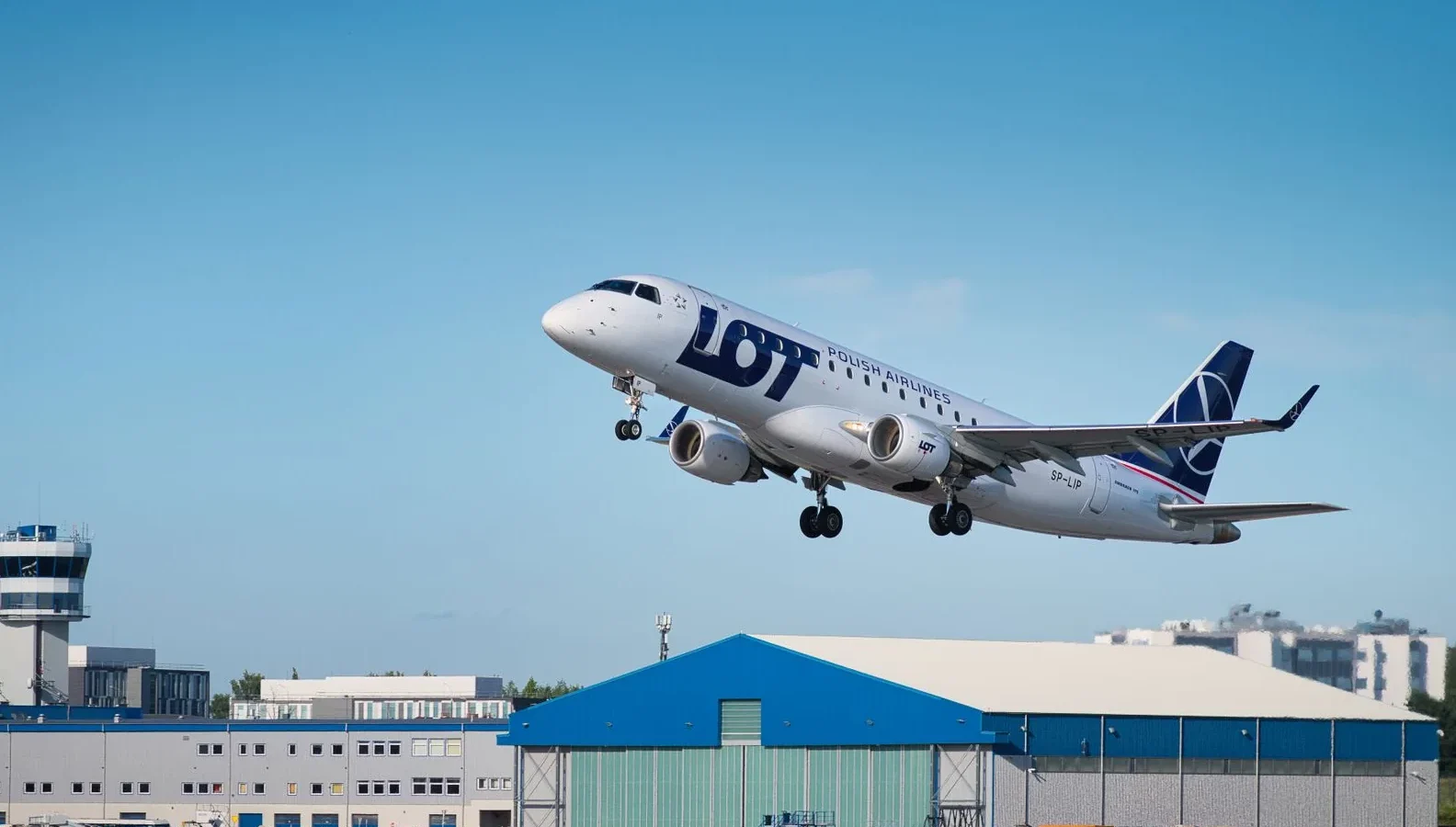
Flat-faced cats flying out of Malaysia are refused the aircraft hold by most major carriers. Qatar Airways, Singapore Airlines, KLM and Lufthansa all name Persian and Exotic Shorthair on their restricted lists, and Singapore Airlines and Lufthansa add British Shorthair and Scottish Fold. Two lanes stay open: the passenger cabin under 8 kg, or a manifest cargo booking with a crate 10% larger than the IATA formula gives.
Introduction: the breed name decides this, not your cat
Airlines apply flat-faced rules by breed name on the booking form, not by examining the individual animal. A healthy Persian that has never wheezed in its life is refused the hold on the same line of policy as one with obvious breathing trouble. That is why flat-faced cats flying overseas need a different plan from the start.
Owners usually discover this the wrong way round. They pick the flight, then read the pet policy, then find the breed on a list that has nothing to do with their own cat’s health. By then the cheapest routings have already gone, because most of them do not accept flat-faced cats flying in any class.
We handle Persian, Exotic Shorthair, Himalayan and British Shorthair files most months at My Pet Mover, and the pattern repeats. The move is not blocked. It is just narrower, more expensive and slower to book than a domestic shorthair’s, and the narrowing happens the moment the breed is declared. Every corridor we run is listed on our international pet transport routes from Malaysia page.
This guide sets out which breeds each airline restricts and why the hold closes while the cabin stays open. It also covers what the IATA crate rule adds for flat-faced cats flying as cargo, and how a destination can settle the question before an airline is even chosen.
Before the airline detail, the short video below explains what makes these breeds anatomically different, which is the reason every policy below exists.
Which cats count as flat-faced?
There is no single industry list. Persian and Exotic Shorthair appear on every airline list we track. Burmese and Himalayan appear on most. British Shorthair and Scottish Fold appear on some and not others, which is why the same cat can be accepted by one carrier and refused by the next.
The disagreement matters more than owners expect. A Scottish Fold is a normal booking on one airline and a hard refusal on another, on the identical route.
Cat Breeds Each Airline Treats As Flat-Faced
| Airline | Cat breeds named | What the listing blocks |
|---|---|---|
| Singapore Airlines | British Shorthair, Burmese, Exotic Shorthair, Himalayan, Persian, Scottish Fold, plus crossbreeds | Carriage as checked baggage |
| Lufthansa | British short-haired, Exotic Shorthair, Himalayan, Persian, Scottish Fold, plus crossbreeds | The cargo hold, since 1 January 2020 |
| KLM | Burmese, Exotic Shorthair, Himalayan, Persian | The hold only; cabin and cargo remain open |
| Qatar Airways | Burmese, Exotic, Persian, Shirazi | Carriage as checked baggage |
Source: My Pet Mover, compiled from the published live animal conditions of each airline, August 2026. Breed spellings follow each carrier’s own wording. Licence.
Read the crossbreed clauses closely. Singapore Airlines writes its restriction to cover the named breeds including crossbreed and any other brachycephalic breeds, which pulls in mixed-breed rescues that look Persian without any pedigree paperwork. Lufthansa words its cat list the same way. The parallel restrictions on dogs are covered in airline restrictions on flying snub-nosed breeds.
Not sure whether your cat’s breed is on the list?
Send us the breed, weight and destination. We will tell you which carriers will take it and which will not. See the corridors we fly from Malaysia →
Why the hold closes but the cabin stays open
The restriction is about where the airline can watch the animal, not about the breed being unfit to fly. In the hold nobody can intervene for hours. In the cabin the owner is beside the carrier the whole way, so the same airline that bans a Persian below deck will happily sell it a seat.
Lufthansa states the reasoning plainly, and it is worth reading because most owners assume the ban is a blanket judgement on the breed.
The airline explains that these cats have anatomically restricted airways, and that stress or high temperatures at the departure, transfer or destination airport may lead to circulatory problems and shortness of breath. It barred the breeds from the hold on 1 January 2020, and in the same paragraph confirms the cabin remains available. Qatar Airways frames it as a temperature exposure problem, describing the risk as heat stroke when the animal is exposed to stress or temperatures above 21 degrees Centigrade.
Three things follow for a Malaysian owner:
- Departure heat counts against you. A 21°C threshold is below almost every hour of the Klang Valley year, so a heat-based rule reads as a permanent rule here.
- The ban is about supervision, not fitness. That is why the cabin, where you are watching, survives the same policy.
- Cargo is treated differently from the hold. Manifest cargo has handlers, an animal facility and a documented chain of custody, so several airlines that refuse the hold still accept cargo.
The hold itself is pressurised and temperature-controlled on the aircraft types that carry pets, which we set out in whether pets really travel safely in the cargo hold. The gap is on the ground, not in the air.
Where a Persian can actually sit, airline by airline
Etihad Airways is the most open door out of Kuala Lumpur, because its published cat rules set a weight and age limit but name no restricted cat breeds. KLM and Lufthansa keep the cabin and cargo open while closing the hold. Qatar Airways and Singapore Airlines close checked baggage entirely, leaving cargo.
This is the table we build most Persian and Exotic itineraries from. The last column is the one that decides the quotation.
Travel Lanes Open To A Flat-Faced Cat, By Airline
| Airline | Passenger cabin | Hold as baggage | Manifest cargo |
|---|---|---|---|
| Etihad Airways | Open, up to 8 kg with carrier | Not offered for cats | Available for larger animals |
| KLM | Open, up to 8 kg with carrier | Closed for listed breeds | Open via the cargo service |
| Lufthansa | Open, cabin conditions apply | Closed since 1 January 2020 | Open via Lufthansa Cargo |
| Qatar Airways | Not offered for cats | Closed for listed breeds | Handled as a cargo shipment |
| Singapore Airlines | Not offered for cats | Closed for listed breeds | Handled through a cargo agent |
Source: My Pet Mover, compiled from published airline pet and live animal conditions, August 2026. Cabin carriage applies only on flights the airline operates itself. Licence.
Etihad is the outlier worth understanding. Its published pet page sets the bar at at least 16 weeks old and up to 8 kg including the carrier, names banned dog breeds, and lists no restricted cat breeds at all. For a 4 kg Persian on a route Etihad operates itself, that is a normal booking. Which carriers offer cabin seats from KLIA at all is covered in which airlines allow cats in the cabin from KL.
Want the cabin option checked before you buy a ticket?
Cabin pet slots are capped per aircraft and fill early. We confirm the seat and the breed clearance first, then you book. See which airlines take cats in the cabin →
The crate rule that adds 10% to everything
The IATA Live Animals Regulations require a snub-nosed animal to travel in a container 10% larger than the standard formula produces. For a cargo booking that pushes most Persians up a crate size, which raises the volumetric weight and therefore the price.
The formula itself is the same for every cat. Length is the body length plus half the elbow height, width is twice the shoulder width, height is the standing height plus bedding.
Then the flat-faced uplift lands on top. IATA states in Container Requirement 1 that snub-nosed breeds require a 10% larger container, alongside ventilation on all four sides totalling at least 16% of the surface and welded mesh of 2.0 mm or thicker for cats.
Minimum Crate Length Before And After The Snub-Nosed Uplift
| Cat profile | Minimum length with the 10% uplift | Standard formula length |
|---|---|---|
| Small Persian, about 3.5 kg |
54 cm |
49 cm |
| Medium Persian, about 5 kg |
59 cm |
54 cm |
| Large Exotic or Himalayan, about 6.5 kg |
65 cm |
59 cm |
Source: My Pet Mover calculation applying the IATA Container Requirement 1 formula and the 10% snub-nosed uplift to three representative cat profiles, August 2026. Illustrative sizing only; the crate must be measured against your own cat. Bar widths scaled to the longest result.
Two practical consequences follow. A crate that measured correctly last year for a domestic shorthair of the same weight will be one size too small for a Persian. The larger box then changes the volumetric weight the cargo desk charges on, which is where most of the extra cost for flat-faced cats flying as cargo actually comes from. The measuring method itself is unchanged, and we walk through it in measuring your pet correctly for IATA crate sizing. Getting a flat-faced cat comfortable inside the bigger box takes longer too, which is why we start crate training before an overseas move weeks earlier on these files.
Destinations that settle it before the airline does
On several routes the breed rule never gets tested, because the country already requires manifest cargo. Britain, Australia and New Zealand take that decision out of the airline’s hands, which paradoxically makes them simpler destinations for flat-faced cats flying from Malaysia than a route where cabin looked possible.
Owners find this counter-intuitive. A country that refuses passenger baggage entirely removes the breed argument, because cargo was always the answer. On those corridors, flat-faced cats flying from KLIA are booked exactly like any other cat.
How The Destination Interacts With The Breed Rule
| Destination | Effect on a Persian or Exotic booking |
|---|---|
| Country already requires cargo, so the breed rule never applies | |
| United Kingdom | Pets are not accepted as passenger baggage, so the cat flies as manifest cargo regardless of breed |
| Australia and New Zealand | Carriers such as Qatar Airways accept animals to and from these countries as cargo only |
| Airline route list closes the cabin option | |
| United States, Hong Kong, Bali, Male, Johannesburg | Etihad does not carry pets on these services, removing the main cabin route for a flat-faced cat |
| Brunei, Denpasar, Manchester, South Africa | Singapore Airlines does not carry pets as checked baggage into or out of these points |
| Breed rule is the deciding factor | |
| Western Europe | Cabin under 8 kg or cargo; the hold is closed on KLM and Lufthansa for listed breeds |
| Middle East hubs | Etihad’s cabin remains open on its own aircraft; Qatar Airways routes listed breeds to cargo |
Source: My Pet Mover, compiled from published airline route and live animal restrictions, August 2026. Licence.
Two corridors show the split clearly. Australia is a cargo move from the first day, as set out in taking a cat from Malaysia to Australia, so a Persian is planned exactly like any other cat. Germany is the opposite, where breed and weight decide between a cabin seat and a cargo booking, as covered in Malaysia to Germany pet relocation rules and timeline. Short regional moves have their own arrival conditions, which we set out in moving a cat to Singapore under the new HDB cat rules.
Moving a Persian, Exotic or British Shorthair this year?
Tell us the destination and travel month and we will map the lane, the crate size and the paperwork in one reply. Browse our pet transport routes →
How we run a flat-faced cat file
We confirm the destination rule first, then the breed listing of each candidate airline, then the crate with the 10% uplift, then the vet appointment. Working in that order means no family pays for a cabin seat or a crate that the route was never going to allow.
The sequence is deliberate, because each step can end the conversation and the expensive steps sit at the end.
- Confirm the destination’s arrival rule. If the country requires manifest cargo, the breed lists stop mattering and the file is planned as a cargo shipment from day one.
- Check each candidate airline’s cat breed list. The lists differ, so a breed refused by one carrier on the route may be accepted by another operating the same sector.
- Size the crate with the 10% uplift applied. Measure the cat, run the IATA formula, add the snub-nosed uplift, then confirm the box fits the aircraft hold height.
- Book the vet appointment around the flight date. The fitness assessment and health certificate are timed to the departure, not to whenever the clinic has a slot.
- Plan the ground time at KLIA. Early morning or late evening departures reduce tarmac heat exposure, which matters more for these breeds than for any other cat.
The vet step carries extra weight here. A fitness assessment for a Persian looks at airway noise, dental crowding and eye position, not just vaccination status. The general requirements are set out in the fit-to-fly vet check airlines require. Sedation is refused on these files without exception, for the reasons explained in why vets say no to sedating pets for flights. What happens on the day itself is described in pet cargo at KLIA on flight day.
Conclusion
Flat-faced cats flying from Malaysia lose the hold on most carriers but keep the cabin and cargo. Confirm the destination first, match the breed against each airline’s own list, size the crate 10% larger, and give the booking more lead time than a domestic shorthair would need.
None of this makes a Persian or Exotic Shorthair unmovable. It makes the move narrower, and narrow routes need to be identified early rather than discovered at check-in.
The families who struggle are the ones who booked the human tickets first. The families who do not struggle picked the corridor, confirmed the lane, then booked around it. The wider comparison between the three travel modes sits in pet travel by cabin, cargo or excess baggage, and every corridor we operate is on our international pet transport routes page.
Flying a Persian, Exotic or Himalayan out of Malaysia?
Send us the breed, your cat’s weight and the destination. We will tell you which lane is genuinely open, what crate it needs, and how early the vet work has to start.
Frequently asked questions
1. Can a Persian cat fly from Malaysia at all?
Yes. Persians fly out of Malaysia regularly, just not in the aircraft hold on most carriers. The two working lanes are the passenger cabin, where the cat and carrier must stay under 8 kg on airlines such as Etihad and KLM, and a manifest cargo booking with a crate sized 10% larger than the standard IATA formula.
2. Which cat breeds do airlines treat as flat-faced?
Persian and Exotic Shorthair appear on every list we track. Burmese and Himalayan appear on most, including Qatar Airways and KLM. Singapore Airlines and Lufthansa also name British Shorthair and Scottish Fold. Most carriers extend the restriction to crossbreeds, so a mixed-breed cat with a flat face can be refused without any pedigree paperwork.
3. Why do airlines ban flat-faced cats from the hold but allow the cabin?
Because the risk sits in unsupervised ground time rather than in flight. Lufthansa cites restricted airways plus stress and high temperatures at departure, transfer and destination airports, and confirms the cabin stays open. In the cabin the owner is beside the carrier throughout, so nobody is relying on the hold being checked.
4. How much bigger does the crate need to be?
Ten per cent larger than the standard IATA calculation. The Live Animals Regulations state that snub-nosed breeds require a 10% larger container, on top of ventilation on all four sides totalling at least 16% of the surface area and welded mesh of 2.0 mm or thicker for cats. In practice this moves most Persians up one crate size.
5. Does a vet certificate override an airline’s breed restriction?
Usually not. The restrictions are written by breed name in the carrier’s live animal conditions, so a clean bill of health does not remove the listing. A fitness assessment is still required for travel, but treat it as a condition of flying rather than as an exemption from the breed rule.
6. Is it more expensive to fly a flat-faced cat?
Generally yes. The larger crate raises the volumetric weight a cargo desk charges on, cabin fees are premium priced, and the shorter list of accepted carriers removes cheaper routings. The cat itself is not charged differently; the lane and the box are what move the cost.